

Detailed Insurance claim Reporting
Detailed insurance claim reporting is a critical part of the insurance process after property damage occurs. When a home or commercial property is affected by fire, water, storm, or structural damage, insurers rely heavily on accurate and structured documentation to evaluate the claim. A properly prepared insurance damage report helps ensure the full scope of loss is clearly presented and reviewed.
Without organized insurance claim documentation, important details may be overlooked. A comprehensive property damage claim report bridges the gap between loss occurrence and settlement review by providing clear descriptions, supporting evidence, and structured cost analysis.
USPA Claims provides professional claim reporting services designed to support property owners throughout the insurance claim process. Whether the damage involves a minor structural issue or significant property loss, our goal is to ensure documentation is complete, clear, and aligned with insurance requirements.

What Are Detailed Reporting Services?
Detailed reporting services involve structured documentation of property damage for insurance purposes. This includes preparing an insurance damage report that accurately describes the extent of loss and outlines associated repair or replacement costs.
A strong property damage claim report typically includes:
- Identification of visible and hidden damage
- Itemized repair or replacement estimates
- Clear photographic documentation
- Structured summaries aligned with insurance policy terms
Detailed insurance claim reporting ensures that insurers receive organized, accurate information to support claim evaluation. Without professional claim reporting, claims may face delays or reduced clarity during review.
For representation support during the claim process, property owners may also review
Public Adjusting Services.
Why Detailed Reporting is Critical in Insurance Claims?
Insurance companies base settlement decisions on documentation. If damage is not clearly recorded, it may not be included in the claim review. Detailed insurance claim reporting plays a central role in preventing misunderstandings and incomplete evaluations.
Here’s why insurance claim documentation is essential:
- It supports accurate claim evaluation
- It validates the extent of property damage
- It reduces disputes related to missing information
- It helps streamline the review process
A properly prepared insurance damage report presents the claim in a structured format insurers can evaluate efficiently. Professional claim reporting improves clarity and helps avoid unnecessary delays.
When a settlement appears incomplete, additional review may be supported through
Assistance with Payouts and Post-Negotiation Construction.

Types of Claims That Require Detailed Reporting
Different types of property damage require tailored insurance claim documentation. Each scenario presents unique challenges that must be reflected accurately in a property damage claim report.
Water Damage Claims
Water damage often spreads beyond visible areas. Moisture can affect walls, flooring, and structural materials. Detailed insurance claim reporting for water damage must document both immediate and developing damage conditions.
In many cases, stabilization occurs before full documentation. Property owners may review
Mitigation Services to understand how emergency steps support the insurance damage report.
Fire Damage Claims
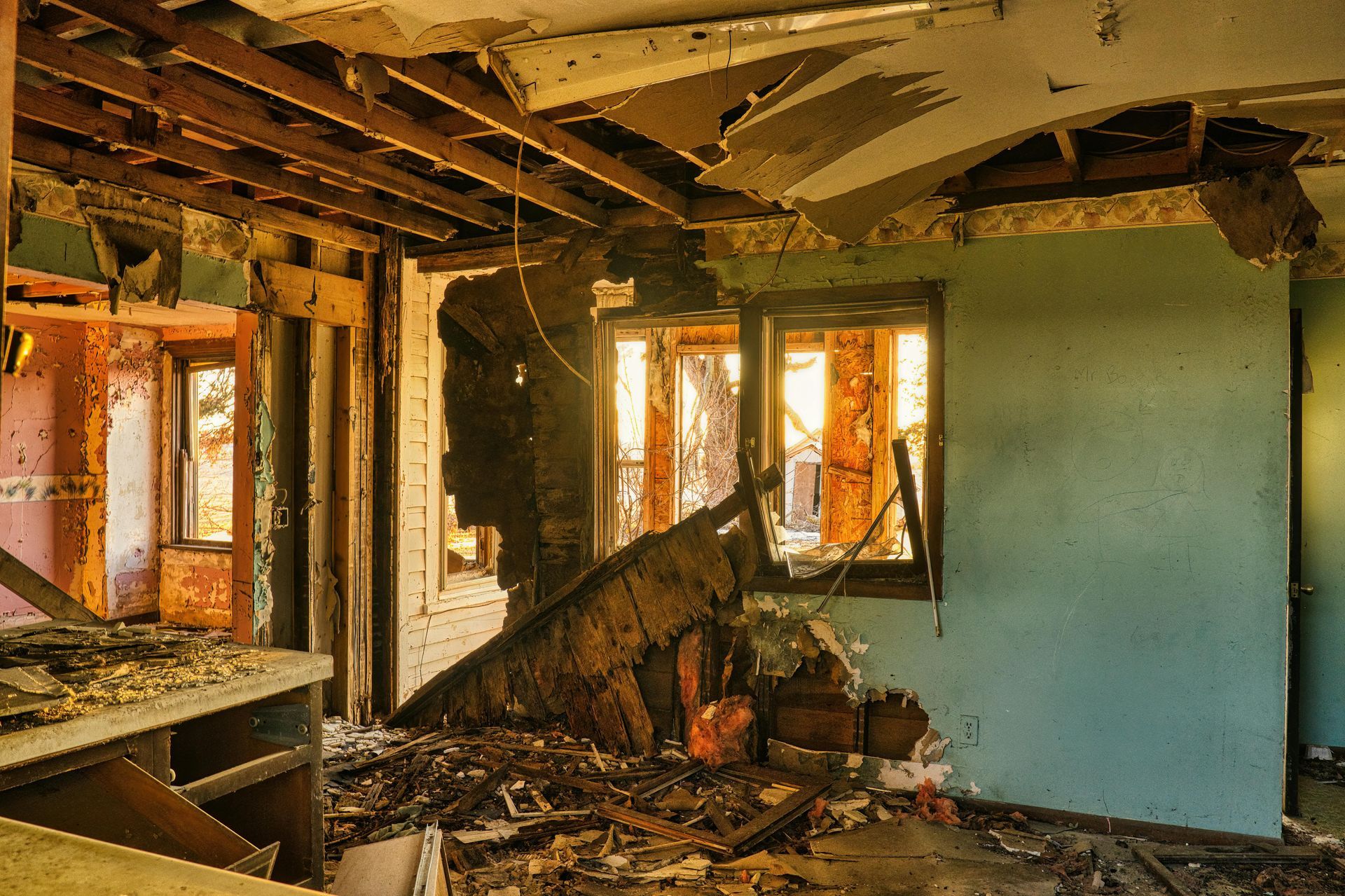
Fire losses involve structural damage, smoke contamination, and heat-related deterioration. A comprehensive insurance damage report documents visible burn areas as well as secondary damage caused by soot and smoke exposure.
Professional claim reporting ensures that all affected components are clearly identified in the property damage claim report.
Storm and Wind Damage Claims
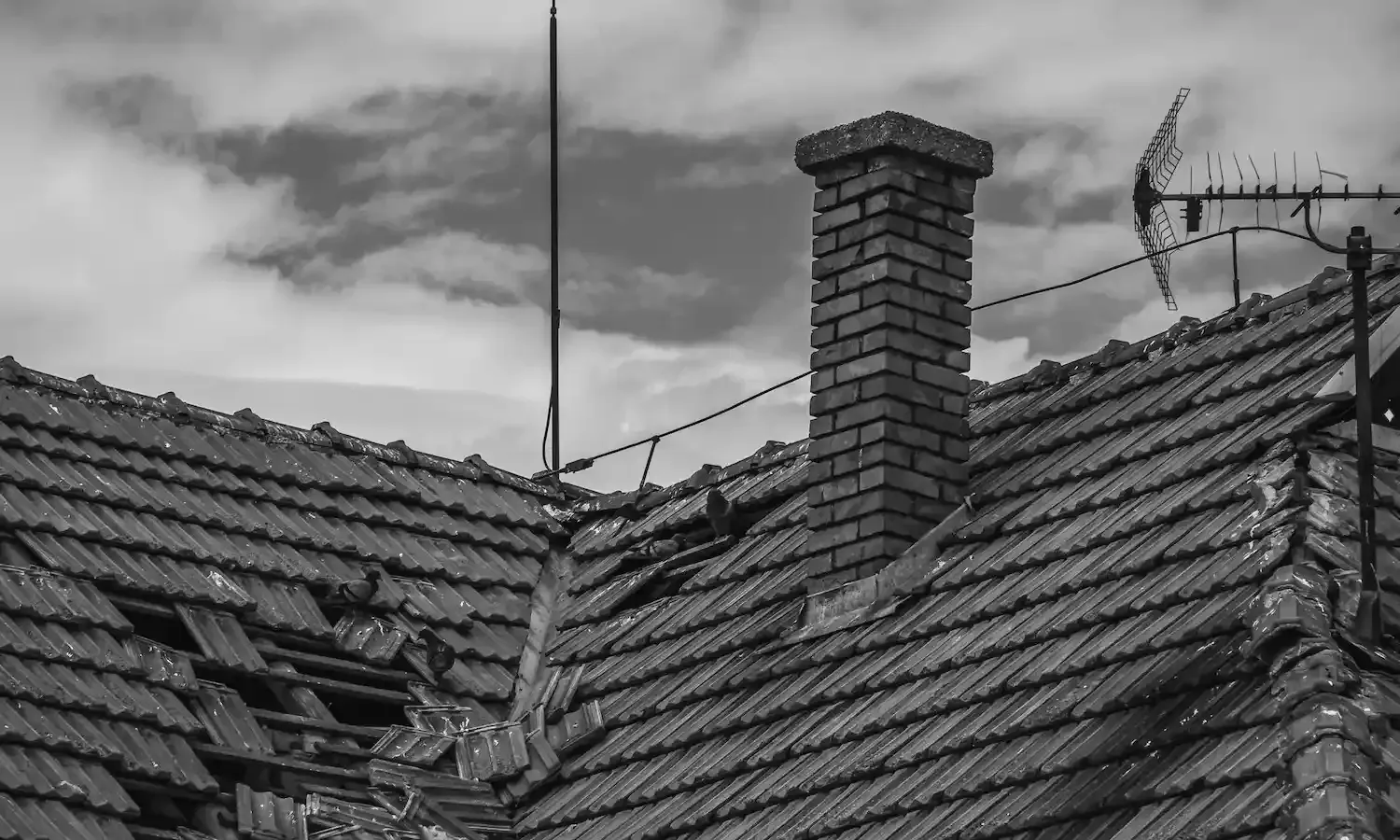
Storm damage often impacts roofing systems, siding, windows, and exterior structures. Detailed insurance claim reporting captures the full scope of wind or weather-related damage and aligns documentation with repair needs.
Clear insurance claim documentation is especially important when evaluating storm-related structural impact.
Hail Damage Claims
Hail damage can create inconsistent and difficult-to-detect impact areas. A structured property damage claim report documents roof surfaces, exterior materials, and supporting structural elements to ensure clarity during claim evaluation.
How Detailed Reporting Works
Professional claim reporting follows a structured process to ensure accuracy and completeness.
Initial Damage Assessment
The first step in detailed insurance claim reporting is a comprehensive inspection. This includes evaluating visible damage and identifying potential hidden concerns that may affect the insurance damage report.
Photographic Evidence
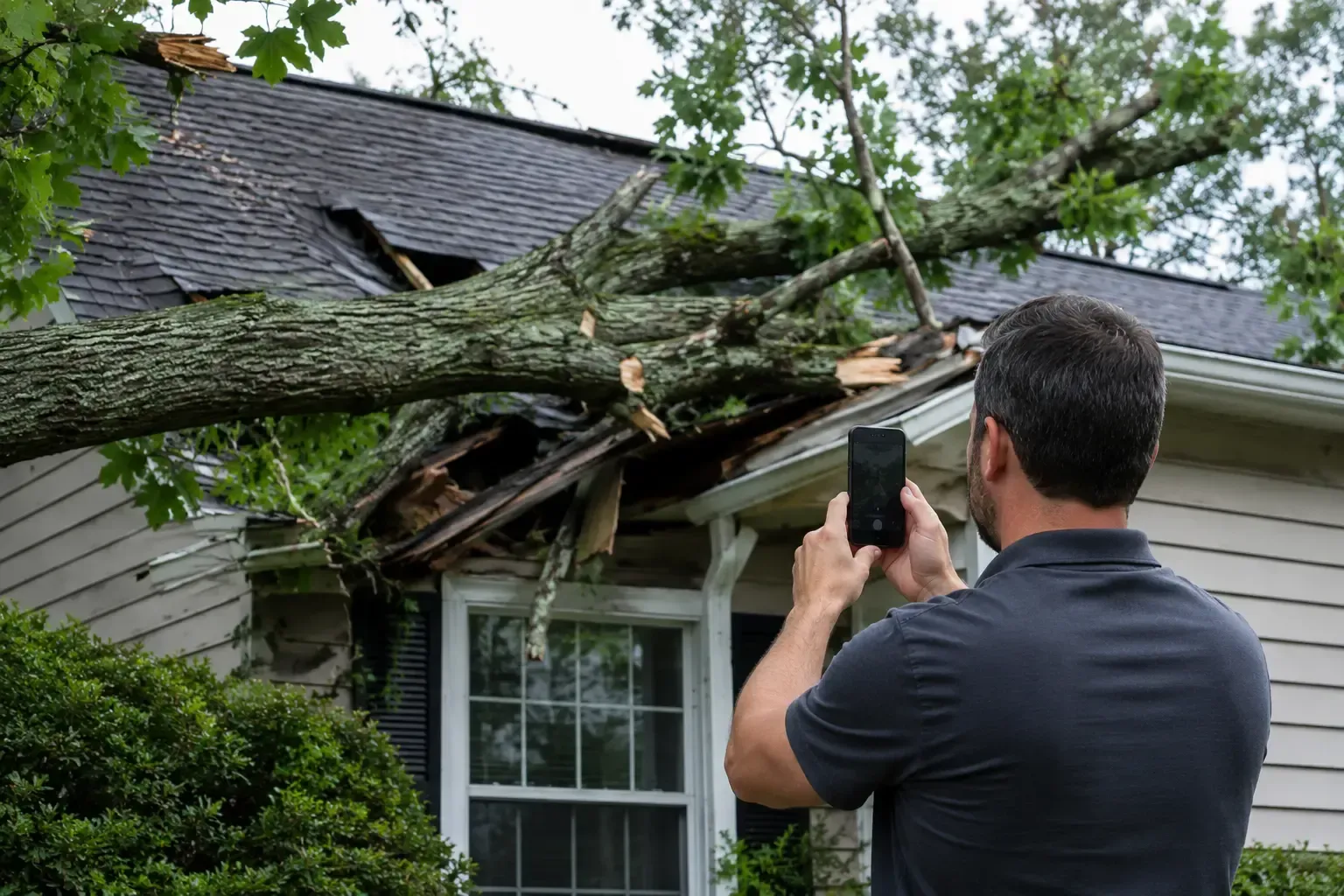
High-quality images are essential in insurance claim documentation. Clear photographs provide visual support for the property damage claim report and assist insurers in understanding the extent of loss.
Damage Estimation
Accurate cost estimates are provided for repairs or replacements. This estimation takes into account materials, labor, and time needed to restore the property.
Reporting and Documentation
All information is compiled into a structured property damage claim report. The final document presents the scope of damage clearly and aligns with insurance standards.

Loss Mitigation and Detailed Reporting
Mitigation often occurs before the final insurance damage report is submitted. Emergency stabilization efforts should be included in the insurance claim documentation to demonstrate responsible property protection.
Mitigation efforts may include:
- Water extraction
- Temporary roof protection
- Structural stabilization
When mitigation occurs, documentation should reflect these actions accurately. Learn more about stabilization steps through
Mitigation Services.
Creating a Claim Report That Meets Insurance Requirements
Insurance companies may require specific formats or documentation standards. Detailed insurance claim reporting ensures compliance with these requirements.
Common elements within a property damage claim report include:
- Clear written damage descriptions
- Supporting photographic evidence
- Structured repair estimates
- Alignment with policy coverage
Professional claim reporting helps ensure that insurance claim documentation meets insurer expectations.

How Detailed Reporting Affects Insurance Settlements
Settlement outcomes are influenced by documentation quality. A well-prepared insurance damage report helps demonstrate the full extent of the loss and clarifies necessary repairs.
Detailed insurance claim reporting:
Provides structured evidence
Supports consistent claim evaluation
Reduces confusion during settlement review
When settlement amounts require additional review, structured support may continue through
Post-Negotiation Construction Support.
Residential Claims and Detailed Reporting
Homeowners benefit from clear and organized insurance claim documentation. Residential property damage claim reports often include:
- Roof system damage
- Interior structural issues
- Water-related deterioration
- Smoke or fire impact
Detailed insurance claim reporting helps homeowners understand the scope of loss and maintain clarity throughout the claim.

Commercial Claims and Detailed Reporting
Commercial properties often involve complex systems and larger-scale damage. A professional property damage claim report ensures that building systems, equipment, and structural components are documented clearly.
Professional claim reporting supports organized documentation for commercial insurance claim review.
Local Expertise and Detailed Reporting in Indiana
Local experience supports accurate documentation. Building materials, weather patterns, and structural styles vary by region.
USPA Claims provides detailed insurance claim reporting for property owners throughout Indiana, including:
Local familiarity helps ensure the insurance damage report reflects realistic repair conditions and regional considerations.

The Role of Adjusters and Insurance Companies in Detailed Reporting
Insurance companies review submitted insurance claim documentation to determine settlement amounts. If the property damage claim report is incomplete or unclear, certain damages may not be evaluated properly.
Professional claim reporting ensures that documentation aligns with insurer review standards and supports accurate claim evaluation.
For broader claim representation, property owners may review
Detailed Reporting and Claims Disputes
Disputes often arise when documentation is incomplete or unclear. A structured insurance damage report can help clarify differences between damage assessment and insurer evaluation.
Common Disputes Over Detailed Reporting
Underreporting of Damage
If the initial report fails to capture hidden or secondary damage, the insurer may deny coverage for certain repairs or reduce the settlement.
Disagreements Over Repair Costs
The insurer may offer a lower settlement if the report does not include accurate pricing or repair estimates.
Inadequate Documentation
If mitigation efforts are not clearly documented, insurers may argue that the property owner did not take the necessary steps to prevent further damage.
When to Request Detailed Reporting Services
Property owners should consider professional claim reporting when:
- Significant property damage occurs
- Settlement clarity is needed
- Documentation appears incomplete
- Additional evidence is required
Early insurance claim documentation often improves claim efficiency and reduces confusion later in the process.
Why Choose USPA Claims for Detailed Reporting Services?
USPA Claims provides structured and professional claim reporting for property owners seeking accurate insurance documentation.
Our services include:
- Comprehensive property damage claim reports
- Organized insurance claim documentation
- Clear insurance damage reports aligned with policy standards
We support property owners in:
Our approach focuses on clarity, structure, and accurate presentation.
Residential and Commercial Claims Support
Detailed insurance claim reporting supports both residential and commercial properties. Whether documenting damage to a home or a commercial structure, structured insurance claim documentation ensures the loss is clearly presented.
For broader claim support services, explore
Public Adjusting Services and
Post-Negotiation Construction Support.

Frequently Asked Questions
What are detailed reporting services in insurance claims?
Detailed reporting services involve documenting all visible and hidden property damage, including photos, repair estimates, and itemized losses, to help insurers accurately evaluate a claim.
Why is detailed reporting important for insurance settlements?
Accurate documentation supports claim validation, reduces disputes, and helps ensure property owners receive fair compensation based on the true extent of the damage.
What types of damage require detailed reporting?
Common claims needing detailed reporting include water damage, fire and smoke damage, storm and wind damage, hail damage, residential losses, and commercial property damage.
When should I request detailed reporting services after property damage?
Detailed reporting should be requested as soon as damage occurs or when a claim is disputed, underpaid, or involves complex structural or property losses.
Can detailed reporting help if my insurance claim is denied or underpaid?
Yes. A comprehensive report can provide the evidence needed to challenge a denial, support claim supplements, and assist in negotiating a more accurate settlement.