


Emergency Mitigation Services

Property damage rarely happens at a convenient time. Whether caused by sudden water intrusion, fire exposure, storm impact, or structural compromise, the first hours after a loss are critical. Immediate action can significantly influence the extent of damage, safety conditions, and overall claim clarity — especially when working alongside professional public adjusting services to protect your insurance interests.


Professional emergency mitigation services focus on stabilizing a property after damage occurs. These services are designed to control active threats, prevent secondary damage, and protect structural integrity until permanent repairs can begin. Proper documentation and assessment during this phase also support accurate insurance claim reporting, reducing the risk of disputes later.


Unlike reconstruction or remodeling, mitigation addresses urgent conditions. It is the first line of defense against worsening loss and often sets the foundation for smoother negotiations and post-negotiation construction assistance once the claim process moves forward.

Property-Mitigation-Services

Understanding Property Mitigation Services

Property mitigation services involve immediate steps taken after damage to reduce further harm. These services focus on:

  • Controlling water exposure
  • Limiting smoke contamination
  • Securing exposed structural areas
  • Stabilizing unsafe conditions
  • Preventing environmental spread


Mitigation does not restore the property to pre-loss condition. Instead, it prevents the situation from deteriorating while insurance evaluation and repair planning take place.


Insurance policies typically require property owners to take reasonable steps to protect the property after a loss. Emergency mitigation services Indiana support this obligation and demonstrate responsible action.

Why Emergency Mitigation Services Matter?


When damage occurs, conditions can escalate quickly:

  • Water spreads into walls and flooring
  • Smoke residue penetrates surfaces
  • Roof openings allow additional weather exposure
  • Structural weaknesses worsen


Without proper property mitigation services, the scope of damage may increase significantly. Secondary damage can complicate insurance claims and increase repair costs.


Prompt emergency mitigation services help:

  • Reduce long-term restoration expenses
  • Preserve the original damage condition
  • Maintain safety standards
  • Support insurance documentation clarity

Mitigation is not optional in serious loss events — it is a necessary protective measure.

why-emergency-mitigation-services-matter

Types of Damage That Require Mitigation

Water Mitigation Services

Water mitigation services address damage caused by leaks, flooding, storms, or water intrusion through structural openings. Water damage can spread rapidly if not controlled. Mitigation may include water extraction, structural drying, dehumidification, moisture monitoring, and temporary containment. These services help prevent further interior damage, reduce secondary risks such as material deterioration, and preserve property conditions while the insurance claim is reviewed.

Fire and Smoke Mitigation Services

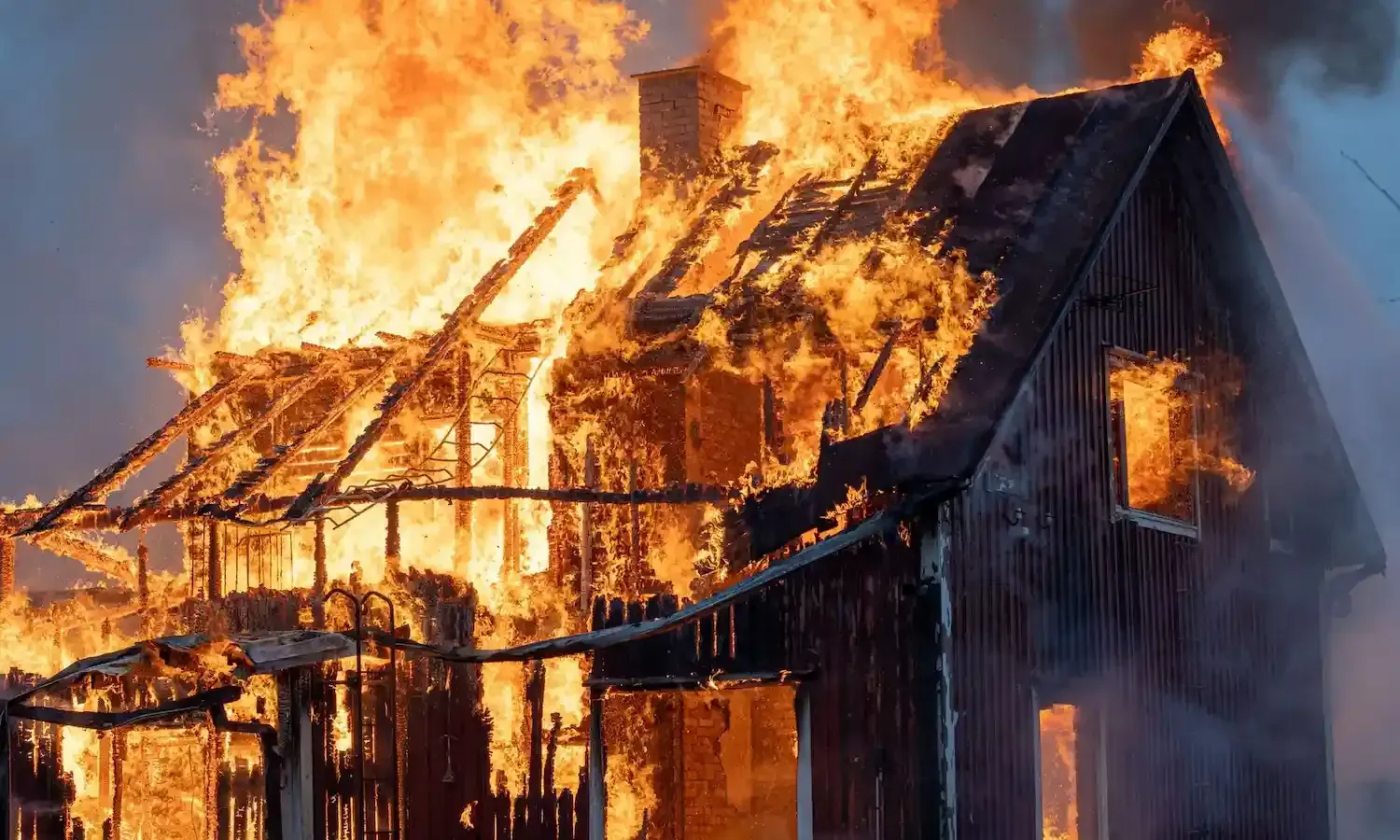
After a fire, mitigation focuses on controlling smoke residue, soot spread, and structural exposure. Fire mitigation does not involve reconstruction but helps stabilize the property environment. Services may include securing damaged openings, containing smoke-affected areas, removing unstable materials, and limiting contamination. These steps help prevent additional damage and preserve claim-related evidence while insurance review is ongoing.

Storm and Wind Mitigation Services

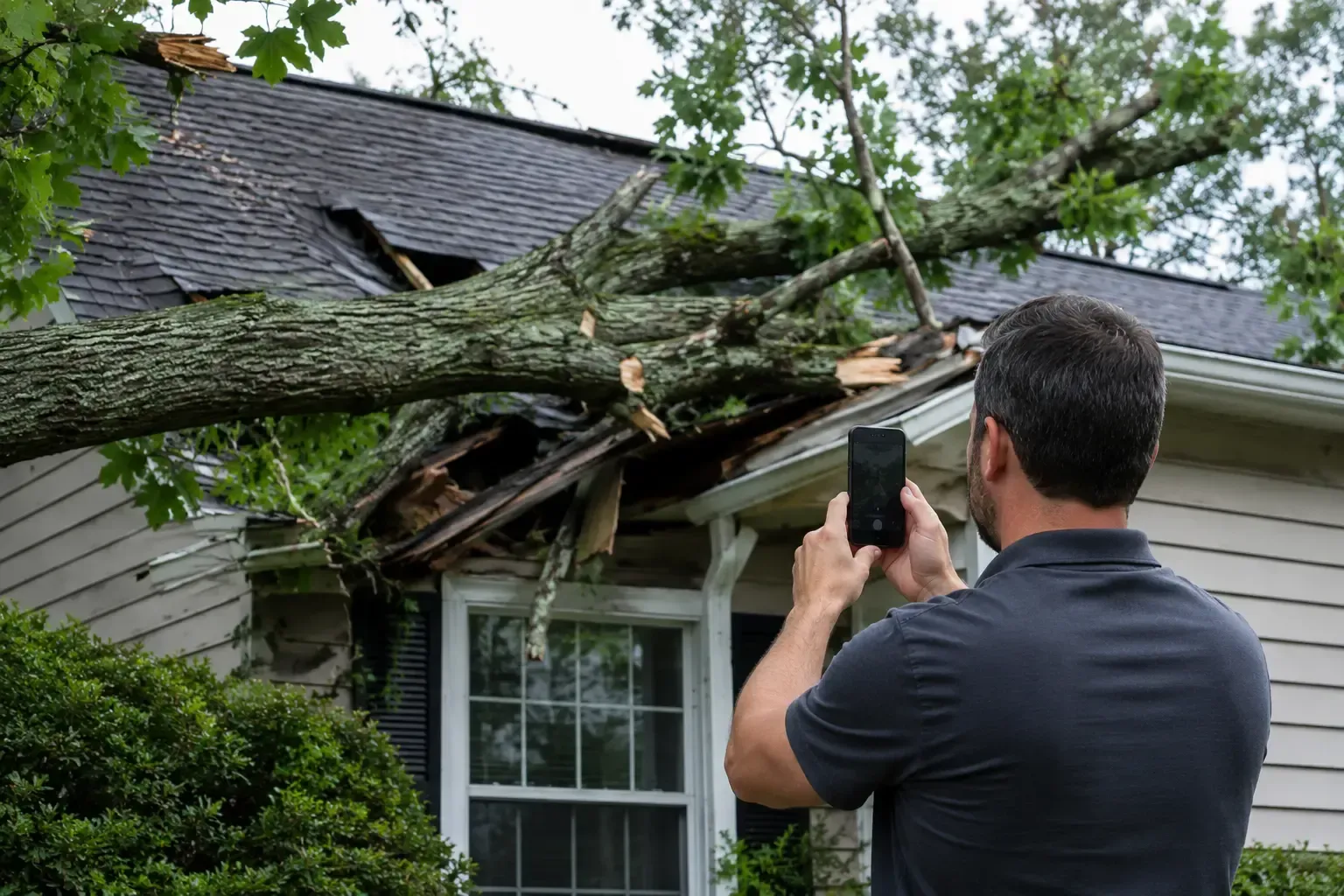
Storm mitigation services address damage caused by wind, hail, and severe weather exposure. These services often involve temporary protection measures to prevent further interior damage. Mitigation may include temporary roof coverings, board-up of windows and doors, securing exterior materials, and limiting weather exposure. Storm-related mitigation demonstrates reasonable efforts to protect the property following damage.

Structural Stabilization and Safety Mitigation

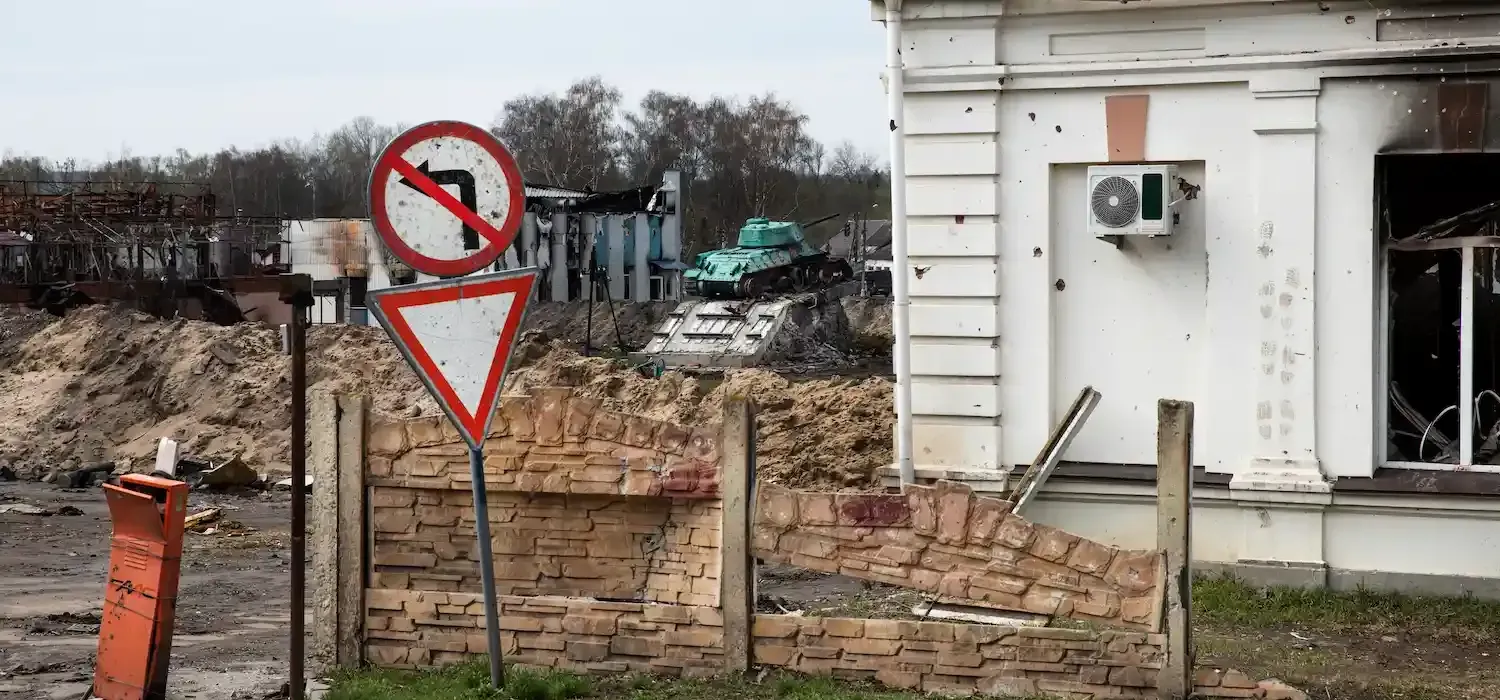
Structural mitigation focuses on safety and stability after severe damage. When parts of a structure become unsafe or exposed, stabilization is necessary. Services may include temporary bracing, securing unstable components, reinforcing compromised sections, and limiting access to hazardous areas. These measures help protect occupants and preserve remaining property elements during the insurance claim process.


Types of Loss Events That Require Emergency Mitigation Services


Emergency mitigation services are commonly needed after:

  • Fire and smoke damage
  • Wind and storm damage
  • Structural exposure
  • Severe weather impact


Each situation requires a different stabilization approach.

water-mitigation-emergency-services

Water Mitigation Emergency Services


Water damage is one of the most time-sensitive property threats. Whether caused by burst pipes, heavy rainfall, roof failure, or structural openings, water spreads quickly and can compromise structural materials.

Professional water mitigation emergency services are designed to immediately control moisture exposure.


Water mitigation may include:

  • Rapid water extraction
  • Industrial drying and dehumidification
  • Moisture monitoring
  • Temporary containment
  • Structural protection


Standing water can saturate drywall, insulation, subflooring, and framing. If left untreated, materials may deteriorate and require full replacement.

Prompt water mitigation emergency services limit damage progression and help maintain structural stability.

The Risk of Delayed Water Mitigation


Delayed response can result in:

  • Additional interior damage
  • Material warping
  • Compromised structural elements
  • Increased restoration complexity


Water damage escalates quickly. Within hours, moisture spreads beyond visible areas. Effective property mitigation services prioritize speed and controlled drying.


he-risk-of-delayed-water-mitigation
fire-mitigation-services

Fire Mitigation Services


Fire events create layered damage. Flames affect structural materials, while smoke and soot travel beyond the initial burn area.

Professional fire mitigation services focus on stabilizing the property environment after a fire.


Fire mitigation may include:

  • Securing damaged openings
  • Containing smoke-affected zones
  • Removing unstable materials
  • Preventing further contamination


Smoke residue can continue to spread if not contained. Fire mitigation services aim to control these risks before reconstruction begins.

Storm and Wind Damage Mitigation


Severe weather frequently impacts Indiana properties. High winds, hail, and debris can create roof openings and exterior damage that expose interiors.


Emergency mitigation services following storms may include:

  • Temporary roof coverings
  • Securing broken windows and doors
  • Stabilizing exposed areas
  • Preventing additional water intrusion


Storm mitigation is essential to prevent further structural exposure.


storm-and-wind-damage-mitigation

Structural Stabilization as Part of Property Mitigation Services

After severe damage, parts of a structure may become unstable. Structural stabilization is a key component of emergency mitigation services.


Structural mitigation may involve:

  • Temporary bracing
  • Reinforcing weakened areas
  • Securing compromised materials
  • Restricting unsafe access


These steps protect both occupants and remaining property components.


Mitigation Costs and Insurance Reimbursement

Understanding the distinction between mitigation and reconstruction is critical.


Emergency mitigation services focus on:

  • Controlling active threats
  • Stabilizing unsafe conditions
  • Preventing secondary damage
  • Providing temporary protection


Reconstruction focuses on:

  • Permanent repairs
  • Replacing damaged materials
  • Restoring the property


Mitigation is the first protective stage following a loss.


documentation-of-property-mitigation-services

Documentation of Property Mitigation Services


Accurate documentation supports insurance review of emergency mitigation services.


Documentation may include:

  • Before and after photographs
  • Service timelines
  • Equipment usage records
  • Detailed scope descriptions


Clear documentation helps demonstrate that property mitigation services were necessary and reasonable.


Residential Emergency Mitigation Services


Homes require immediate stabilization after water or fire damage.

Residential property mitigation services commonly address:

  • Flooded basements
  • Roof leaks
  • Smoke exposure
  • Structural compromise


Prompt emergency mitigation services protect interior spaces and reduce long-term damage risk.

residential-emergency-mitigation-services
commercial-property-mitigation-services

Commercial Property Mitigation Services

Commercial buildings often involve larger structural areas and operational concerns.


Commercial property mitigation services may include:

  • Securing large roof systems
  • Containing affected zones
  • Protecting business assets
  • Stabilizing damaged sections


Effective emergency mitigation services help reduce operational disruption and maintain safety.


Communication With Insurers During Mitigation

Clear communication during emergency mitigation services helps prevent disputes and delays during the insurance review process. Mitigation records should clearly explain why the services were necessary, what actions were taken, and when the mitigation occurred. Organized documentation supports smoother claim evaluation and reimbursement review. For additional claim support context, visit Public Adjusting Services.

Problem, Solution, Result Framework

Problem

After property damage, conditions may worsen rapidly. Water spreads, smoke penetrates materials, and exposed areas remain vulnerable. Delays increase restoration complexity.

Solution

Professional emergency mitigation services stabilize the property immediately. Prope

Result

When mitigation is handled promptly and documented correctly, secondary damage is reduced and the property remains stable for reconstruction.


Mitigation Costs and Insurance Reimbursement


Emergency mitigation services often involve immediate expenses before an insurance settlement is finalized.


Common mitigation-related costs include:

  • Water extraction
  • Temporary roofing
  • Board-up services
  • Structural stabilization
  • Equipment usage


Insurance reimbursement generally depends on whether mitigation was reasonable and necessary. Clear documentation supports reimbursement review.


Importance of Timing in Emergency Mitigation Services

Timing directly impacts the effectiveness of mitigation.


Proper timing involves:

  • Acting promptly after damage
  • Addressing active exposure immediately
  • Avoiding unnecessary delays


Delayed mitigation can result in secondary damage, which complicates restoration.


Prompt property mitigation services reduce long-term risk.


Frequently Asked Questions

  • What are emergency mitigation services?

    Emergency mitigation services are immediate actions taken to prevent further property damage after a loss.

  • What are property mitigation services?

    Property mitigation services stabilize and protect a property from additional damage following water, fire, or storm events.

  • What are water mitigation emergency services?

    Water mitigation emergency services focus on water extraction, drying, and moisture control.


  • What are fire mitigation services?

    Fire mitigation services stabilize the property environment after fire exposure and contain smoke contamination.


  • Do emergency mitigation services replace repairs?

    No. Mitigation stabilizes the property. Reconstruction and repair occur later.