
What Is Detailed Insurance Claim Reporting and Why Does It Matter for Your Payout?
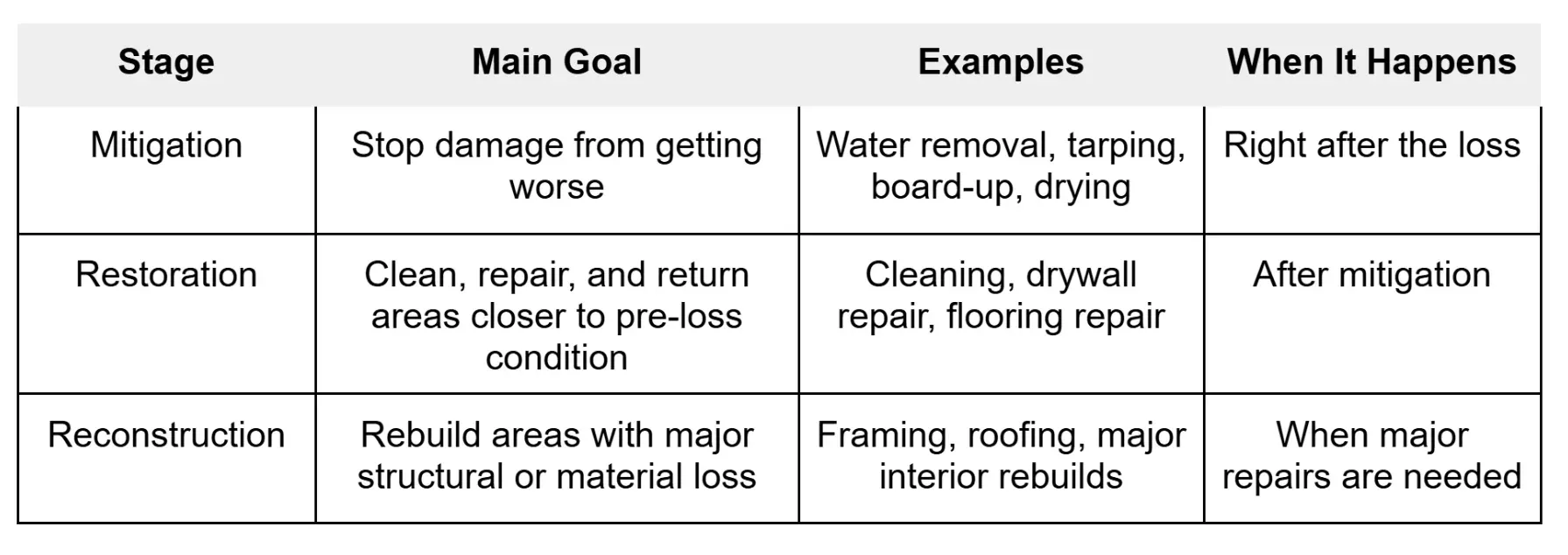

A more detailed insurance claim reporting gives a better understanding of what occurred, what is damaged, the extent of the damage, the value of the loss claimed, and the evidence supporting the claim. This is no assurance of a particular settlement. It all depends on your insurance policy and cover.
What Is Detailed Insurance Claim Reporting?
Detailed insurance claim reporting is more than telling your insurer that a loss occurred. It means providing specific facts, clear descriptions, and supporting evidence so the insurer can understand the nature, extent, and value of the claimed losses.
Think of the difference between these two statements:
- Unclear: "The kitchen was damaged."
- Detailed: "The pipes have caused a leak beneath the sink, causing damage to the bottom cabinets, laminate flooring, and baseboards. The doors of the cabinets are warped, the floor is warped around the area where the sink is located, and the baseboards are stained. Photographs and invoice are attached.."
The second version identifies the area, the type of damage, the affected materials, the items involved, and the supporting records. That clarity helps the adjuster evaluate the claim under your policy.
Why Does Detailed Insurance Claim Reporting Matter?
Reporting in detail is important since it helps establish the scope of damage, organization of evidence, elimination of confusion, and support for claims of loss.
Reporting in detail also helps the insurance company in determining the state of the property, identifying the separate damaged property, and keeping good records. It becomes easier to keep track of questions and missing information when you organize your case file.
Key point: Reporting in detail doesn't guarantee a higher claim amount.
Important: Detailed reporting does not automatically result in a larger settlement. The final claim decision depends on the insurance policy and the evidence available.
How Insurers Use Claim Information
Insurers review claim information to evaluate coverage and estimate losses. They may consider:
- The reported cause of loss
- The location and extent of damage
- Photographs and videos
- Repair estimates and invoices
- Receipts and purchase records
- Property inventories
- Statements and other supporting evidence
- Policy coverage, deductibles, limits, and exclusions
The insurer uses this information to determine what is covered and payable under the applicable policy.
What Should Be Included in an Insurance Claim Report?
A useful claim report combines clear facts with supporting documents. Requirements vary by claim and policy, but a strong report often includes the following.
Basic Loss Information
- Date of loss
- Approximate time
- Location (address and specific areas affected)
- Type of loss (fire, wind, water, etc.)
- What caused the damage, if known
Property Damage Details
- Rooms or areas affected
- Structural damage (walls, floors, roof, etc.)
- Building materials affected (drywall, flooring, trim, etc.)
- Fixtures and equipment (HVAC, water heater, appliances)
- Personal property damage (furniture, electronics, clothing)
Supporting Evidence
- Photographs and videos
- Receipts and invoices
- Repair estimates
- Contractor information
- Purchase records
- Maintenance records when relevant
Additional Information
- Temporary repairs made to prevent further damage
- Preventive steps taken (tarps, board-ups, water extraction)
- Temporary living expenses when applicable
- Other related costs that may be covered under the policy
Property Damage Report: What It Should Show
A proper property damage report should include information about where the damage occurred, what was damaged, how it occurred, and to what degree it has been damaged. The report should also include information regarding whether the damage is visible or not, what repairs will be required, and the evidence for the report.
The phrase "damage to the house by water" would only create ambiguity. A better statement would be "Water damage caused by roof leak due to the storm affecting the ceiling drywall and insulation in the master bedroom with stains on the carpet beside the window."
How to Create an Itemized Damage Report
An itemized damage report breaks down losses by area and item. This makes large or complicated claims easier to understand and manage.
Step 1: Walk Through the Property
Identify every affected area. Note rooms, hallways, and exterior spaces.
Step 2: Photograph and Record the Damage
Take clear photographs and videos. Capture wide shots for context and close-ups for detail.
Step 3: List Damaged Items
Create an inventory by room. Include structural elements and personal property.
Step 4: Add Useful Details
For each item, note:
- Item description
- Quantity
- Approximate age
- Condition before the loss
- Purchase information when available
Step 5: Gather Supporting Documents
Collect receipts, invoices, estimates, photos, and other relevant records.
Step 6: Organize Everything
Keep claim information in a clear file or folder, either digital or physical. Label sections so you can find items quickly.
Insurance Claim Documentation
Strong insurance claim documentation supports your report throughout the process. Keep copies of all submitted documents, save emails and messages, and record conversations when legally appropriate. Keep receipts for temporary repairs and maintain a damage inventory. Update documentation when additional damage is discovered.
Follow your insurer's instructions and policy requirements. If the insurer asks for a specific form or format, provide it.
Insurance Claim Documentation in Indiana
For insurance claim documentation in Indiana, keep clear and organized records throughout your claim. Report the loss on time, save photos and repair estimates, keep all messages with your insurer, and make a list of damaged items. Also, check your policy for any required forms or deadlines.
Exact procedures can vary by insurer and policy. If you are unsure, ask your insurer what documentation they need.
Claim Reporting in Indiana
When handling claim reporting Indiana, follow general best practices for reporting a property loss. Contact your insurer or the appropriate claim channel, provide accurate information, and report known facts. Avoid guesses presented as facts. Document your claim number and all communications. Follow instructions from the insurer and keep copies of submitted information.
Procedures can vary by insurer and policy, so confirm the steps that apply to your situation.
Common Insurance Claim Mistakes in Indiana
Avoid these insurance claim mistakes Indiana policyholders sometimes make:
- Giving vague damage descriptions
- Failing to photograph damage
- Throwing away damaged items too quickly
- Forgetting smaller damaged items
- Failing to keep receipts
- Making unsupported assumptions about the cause of damage
- Under-documenting temporary expenses
- Losing copies of claim communications
- Signing documents without understanding them
- Failing to report additional damage discovered later
These mistakes can slow down your claim or make it harder to verify losses.
Detailed Reporting for Commercial Insurance Claims in Indiana
Detailed reporting for commercial insurance claims in Indiana may require more documents because business policies can be complex. You may need records for building damage, equipment, inventory, furniture, repairs, business property, lost operations, and other expenses.
Claims can contain different terms regarding coverage and valuation. Do not offer any legal, tax, or accounting advice. In case of claims that pertain to complicated business losses, it is necessary to take into account professional counsel.
What Happens If Your Claim Report Is Incomplete?
An incomplete report can delay your claim and may lead to more questions from your insurer. It can also make it harder to prove your losses, identify damaged items, or agree on the full extent of the damage.
Practical steps if your report is incomplete:
- Review what is missing
- Gather additional evidence
- Submit updated documentation according to the insurer's process
- Keep copies of everything
- Ask clear questions when something is unclear
An incomplete report does not automatically cause a claim denial, but it can slow the process.
How to Report Damage Without Overstating It
Accuracy inspires confidence. Provide factual information in your claim report, distinguish between factual information and estimations, and refrain from making guesses regarding the reason for the damage. Do not overvalue the damage or increase the value unnecessarily.
Detailed is not synonymous with exaggerated. An effective claim report is both detailed and accurate.
Documentation vs. Estimation
It helps to distinguish between documentation and estimation.
- Documentation: Evidence showing what happened and what was damaged (photos, receipts, inventories).
- Estimation: An assessment of what repairs or replacement may cost (contractor estimates, repair quotes).
Both can be important but serve different purposes. Documentation supports the loss; estimation helps value it.
How Photos and Videos Support a Claim
Visual evidence can make your report clearer. Capture:
- Wide shots for room context
- Close-ups for detail
- Multiple angles
- Serial numbers when relevant
- Damaged contents and structural areas
Keep original files when possible, organize images by room or property area, and do not edit images in a way that changes the evidence.
What If You Discover More Damage Later?
Property damage may become clearer after initial inspection or cleanup. If you discover more damage:
- Document the newly discovered damage
- Take additional photos
- Inform the insurer according to the claim process
- Keep updated estimates
- Maintain a record of when the additional damage was found
Coverage depends on the policy and circumstances. Not every newly discovered issue will automatically be covered.
How to Organize Your Insurance Claim File
A clear filing system saves time. Suggested categories:
- Policy documents
- Claim information (claim number, adjuster contact)
- Damage photographs
- Videos
- Property inventory
- Repair estimates
- Receipts
- Contractor documents
- Insurance correspondence
- Additional expenses (temporary lodging, meals, storage)
Label folders clearly and back up digital files.
When Professional Claim Help May Be Useful
Professional assistance should be considered in case of a large loss, complicated damage, a business insurance claim, or an abundance of paperwork.
You might also need professional assistance if there is a dispute about the damage or the insurance policy. Professional assistance is not always required, nor does it necessarily increase the settlement. The right type of expert is determined by your needs.
Detailed Claim Reporting Checklist
Use this checklist before you submit:
- Date, time, and location of loss recorded
- Cause of loss described (if known)
- All affected rooms and areas listed
- Structural and personal property damage itemized
- Photographs and videos organized by area
- Receipts, invoices, and estimates collected
- Temporary repair costs documented
- Claim number and communications saved
- Additional damage reported when discovered
- Copies of everything kept in your claim file
Good to Know
- Detailed reporting should be accurate and complete. It should never mean exaggerating a loss.
- Keep copies of everything you submit to your insurer.
- If you are unsure about a detail, label it as an estimate and update it when you have more information.
Before You Submit Your Claim Report
- Review your policy for required forms or deadlines
- Confirm the insurer's preferred submission method (portal, email, mail)
- Double-check that all photos are clear and labeled
- Ensure your itemized list matches your photos and receipts
- Save a final copy of the full report for your records
Mini Example: Turning a Vague Report Into a Useful One
Vague: "Storm damaged the roof and some rooms."
Detailed: "Wind during the storm lifted shingles on the south roof slope, causing leaks in the master bedroom and hallway. Water stained the ceiling drywall, damaged insulation, and ruined the carpet near the window. A roofer's temporary tarp was installed on 8/10/2026. Photos, roofer's invoice, and carpet receipt are attached."
The detailed version gives the insurer a clear path to evaluate coverage and estimate losses.
Conclusion
Detailed insurance claim reporting matters because it gives the insurer a clear, accurate record of the loss, the extent of damage, and the evidence supporting your claim. Strong documentation can help your claim move forward, reduce confusion, and make it easier to verify losses. Policy terms determine coverage, so review your policy and follow your insurer's instructions. Keep clear records, report new damage promptly, and organize your claim file. When in doubt, ask your insurer what documentation they need and keep copies of everything you submit.
Frequently Asked Questions
What is detailed insurance claim reporting?
It is a clear and simple record of what happened, what was damaged, and what you are claiming. You can support it with photos, receipts, and repair estimates.
What documents should I include with an insurance claim?
Take clear photos and videos, and make a list of all damaged items. Collect receipts, invoices, repair estimates, contractor details, and any forms your insurer requires.
How do I create an itemized damage report?
Walk through the property, take clear photos of the damage, and list damaged items by room. Add details about each item’s age and condition, gather supporting documents, and keep everything in one clear file.
What are common insurance claim mistakes in Indiana?
Common mistakes include vague descriptions, no photos, discarding damaged items too soon, missing receipts, guessing the cause of damage, and losing claim communications.
Can detailed documentation increase my insurance payout?
Detailed documentation can help support claimed losses and clarify the scope of damage. It does not guarantee a higher payout. Coverage depends on your policy and the evidence.
Recent Posts