Negotiating With Your Insurance Company: Tips From Indiana Public Adjusters
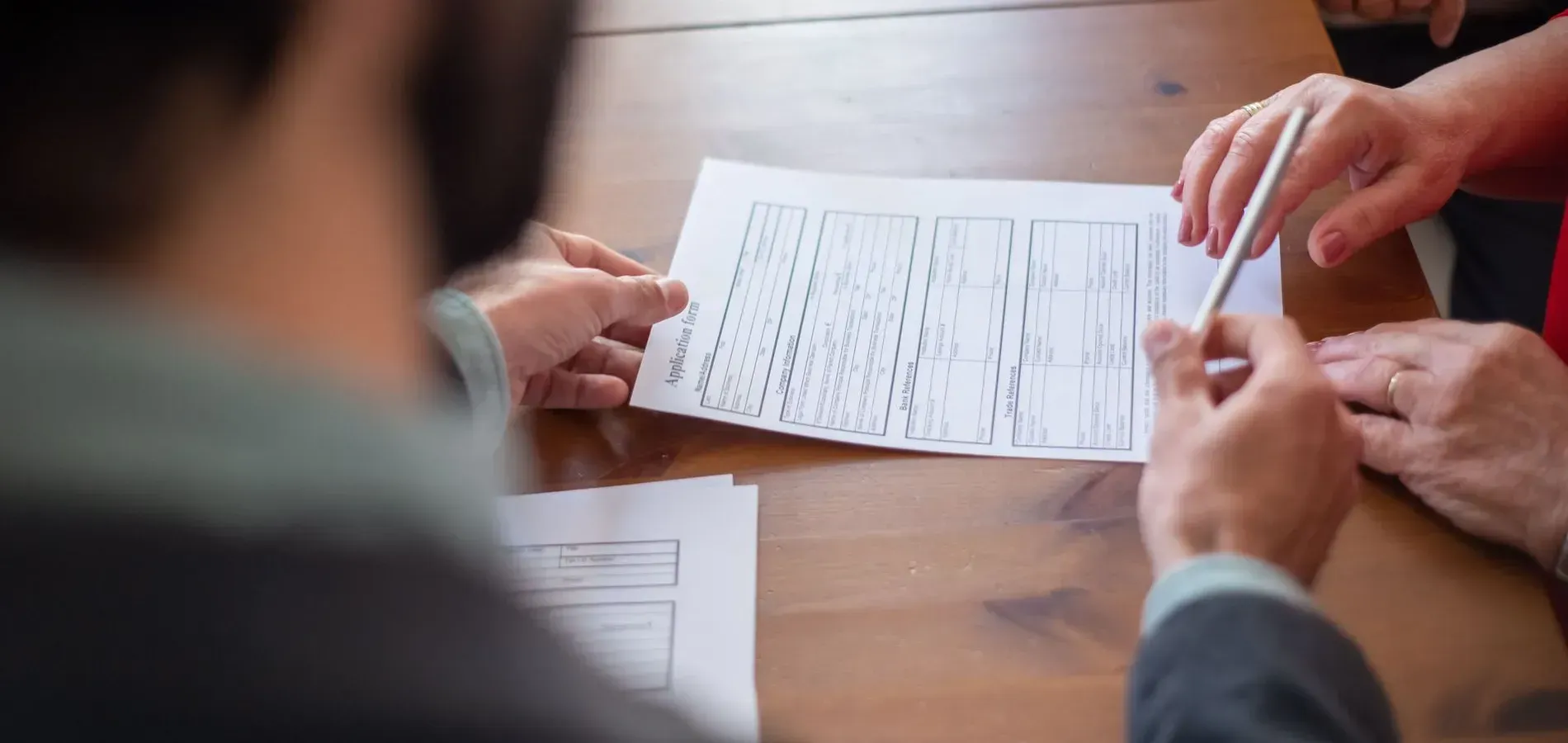
A first insurance offer may not answer every question about your loss. It may leave out an item, use a different repair price, or include a deductible or depreciation amount you did not expect.
To negotiate insurance claim Indiana policyholders should review their policy and the insurer’s estimate. This guide explains how to prepare, review an offer, request a claim review, and decide when professional help may be useful.
The goal is not to demand a set payout. The goal is to support your request with clear facts and policy evidence.
To negotiate an insurance claim in Indiana, review your policy, document the damage, and check the insurer’s estimate. Support disputed items with photos, receipts, repair estimates, and written explanations.
For complex claims, insurance claim payout assistance Indiana policyholders may seek from a licensed public adjuster or another qualified professional. No professional can guarantee a higher settlement.
What Does It Mean to Negotiate an Insurance Claim in Indiana?
Negotiating an insurance claim means asking the insurer to review its estimate or decision. You may find missing work, wrong measurements, different material costs, or damage that needs more review.
Compare the insurer’s offer with your policy and the actual damage. Then list any missing or disputed items. Send supporting evidence, ask questions in writing, and request a new review when the facts support your concern.
The result depends on your policy, the cause of the loss, the damage, and the evidence you provide. Negotiating does not guarantee a higher settlement.
How Can You Prepare Before Negotiating?
Good preparation makes your claim easier to explain. It also helps you track what you sent and what the insurer said.
Review Your Policy
Read the sections about covered losses, exclusions, deductibles, limits, and claim duties. Check terms such as actual cash value and replacement cost.
If a policy term is unclear, ask the insurer to explain it in writing. You may also seek guidance from a qualified insurance professional or attorney.
Document the Damage
Take clear photos and videos when it is safe. Take wide photos of the affected area and close photos of cracks, stains, missing materials, broken items, or water entry.
Do not enter unsafe areas to inspect damage. A qualified professional should inspect a dangerous roof, unstable structure, or electrical area.
Keep Receipts and Records
Save receipts for emergency work, temporary protection, cleaning, storage, and other claim costs. Keep repair invoices, contractor estimates, inspection reports, and proof of ownership.
The Insurance Information Institute recommends documenting damage, keeping receipts, and keeping copies of claim records.
Keep a Communication Log
Record the date, name, phone number, and subject of each conversation with the insurer. Save emails, letters, claim forms, estimates, photos, and responses in one place.
Written records can reduce confusion. They can also help you track unanswered questions.
Get Repair Estimates
When needed, get a detailed estimate from a qualified contractor. Ask the contractor to explain costs for materials, labor, preparation, removal, disposal, and needed repairs.
A contractor estimate can support your request, but it does not decide coverage. Your insurance policy controls what the insurer may pay.
What Should You Check in the Insurance Company’s Offer?
Review the estimate line by line. Compare it with your photos, repair records, contractor estimate, and policy.
First, check the scope of damage. Make sure the estimate includes all affected rooms, surfaces, structures, or belongings. Then review the repair method and material costs. Make sure it uses the right material, quality, and amount.
Check whether labor, removal, disposal, and preparation costs are included. Review the deductible and policy limits. If the insurer excluded any damage, ask why.
Also check whether depreciation was deducted or any related damage or personal property was left out.
A deductible is the amount you pay toward a covered loss. Actual cash value usually includes depreciation. Replacement cost coverage may pay the cost to repair or replace an item without that deduction, based on the policy terms.
A difference between two estimates does not prove an error. Ask why the numbers differ and request a written explanation.
What Are Useful Insurance Negotiation Tips in Indiana?
These insurance negotiation tips Indiana homeowners can use can help keep a claim review clear and organized.
Keep key communication in writing and ask questions about unclear estimate items. Submit evidence in an organized way. Explain which part of the estimate you believe is missing or wrong. Keep copies of everything you send.
Use clear and factual language when discussing the claim. Ask why an item was denied, reduced, or excluded. Review your policy before disputing a decision, and avoid unsupported or exaggerated damage claims.
Stay focused on what happened, what was damaged, what the estimate says, and what evidence supports your request.
Do You Know? A contractor estimate and an insurance estimate may differ because they use different assumptions about materials, labor, damage scope, or depreciation. Ask both sides to explain the difference.
How Do You Negotiate an Insurance Settlement?
If you are asking how to negotiate settlement, start by reviewing the insurer’s estimate and payment letter. Mark the items that are included, reduced, excluded, or unclear.
Compare the estimate with your photos, videos, receipts, inventories, and inspection reports. Look for missing damage or belongings that need more review.
Gather documents that support disputed items. These may include contractor estimates, invoices, repair records, ownership documents, and photographs.
Then explain each concern in a short, clear way. Name the estimate item, explain the problem, and identify the evidence you attached. For example, you may explain that the estimate includes the roof covering but not damaged flashing shown in your photos.
Submit your request through the insurer’s approved email, portal, mail, or adjuster contact. Ask the insurer to confirm receipt and explain the next step.
Keep your request, attachments, confirmation, and response. If the insurer changes the estimate, compare the new version with the original.
This process can help Indiana policyholders better understand an insurance claim settlement Indiana insurers offer. It does not ensure that every requested item will be accepted.
What Should You Do If the Insurance Company Disagrees?
Ask the insurer for a clear explanation. Find out whether the issue involves coverage, the cause of damage, pricing, depreciation, the deductible, or policy limits.
You may provide more documents or ask for another inspection. You can also request a written coverage explanation and review the policy’s dispute terms. Ask whether appraisal or another review process applies.
Appraisal, mediation, and other options depend on the policy and type of dispute. Some processes may address the amount of damage rather than whether the loss is covered.
The Indiana Department of Insurance accepts written consumer complaints through its online portal. Its Consumer Services Division can also answer insurance questions.
A complaint does not guarantee a specific claim result. A licensed attorney may be useful for a complex dispute.
When Can a Public Adjuster Help?
A public adjuster works for the policyholder rather than the insurance company. In Indiana, public adjusters must have the required state authority to act in that role.
A public adjuster may help review claim documents, document property damage, prepare claim information, compare estimates, communicate with the insurer, and organize evidence.
The insurer’s adjuster represents the insurer’s interests. A public adjuster represents the policyholder under a written agreement.
Before signing, review the contract, fees, services, and responsibilities. Do not assume a public adjuster can guarantee approval or a larger settlement.
Parent Reminder: Ask whether the professional is licensed, what services are included, how fees are calculated, and whether you can cancel the agreement under its terms.
Common Mistakes to Avoid When Negotiating an Insurance Claim
Avoid accepting an offer before reviewing the estimate. Take photos of the damage and keep receipts, invoices, claim letters, and other records.
Do not throw away damaged items before documenting them when safe storage is possible. Avoid relying only on phone calls. Keep important discussions and requests in writing.
Do not make unsupported or exaggerated damage claims. Review exclusions and policy limits, and pay attention to deadlines in your policy or insurer notices.
Before starting permanent repairs, discuss documentation needs with the insurer when appropriate. Do not sign documents you do not understand. Ask questions before agreeing to anything.
Policy deadlines can vary. Read your policy and insurer notices carefully, and ask about any time limit you do not understand.
What Can Affect an Insurance Claim Settlement in Indiana?
Several factors can affect an insurance claim. These include policy coverage, the cause and date of the loss, the deductible, policy limits, and the type and amount of damage.
Repair or replacement costs can also affect the claim. So can the quality of your documentation, depreciation, exclusions, and prior damage or maintenance issues.
No single factor determines every how to negotiate settlement question. A careful review can show which facts support your request and which issues may need professional guidance.
Conclusion
The best way to approach an Indiana insurance claim is to prepare before challenging an offer. Review the policy, document the damage, compare estimates, and explain disputed items with clear evidence.
For complex claims, insurance claim payout assistance Indiana policyholders may seek from a licensed public adjuster, attorney, or other qualified professional. Check credentials, fees, services, and contract terms before choosing help.
Frequently Asked Questions
Can I negotiate an insurance claim settlement?
Yes. You can ask the insurer to review an offer when policy language or evidence supports a different scope, cost, or calculation. A higher payment is not guaranteed.
How do I negotiate with an insurance company?
Review the policy and estimate, document the damage, gather records, explain disputed items, and submit your request in writing. Keep copies of all communication.
What should I do if my insurance settlement is too low?
Ask for a line-by-line explanation. Identify missing or reduced items and support your concerns with photos, estimates, receipts, and policy language.
Can a public adjuster negotiate my insurance claim?
A licensed public adjuster may help prepare, document, and communicate about a property claim. Review the contract and fees before hiring one.
What documents can support an insurance claim?
Useful records may include photos, videos, repair estimates, invoices, receipts, inspection reports, inventories, proof of ownership, and written communication with the insurer.
Recent Posts