

Detailed Insurance Claim Reporting Indiana

Indiana property owners face unique challenges when navigating insurance claims following property damage. Whether your Indianapolis home sustains wind damage from spring storms, your Valparaiso business experiences water intrusion, or your rural property suffers fire damage, accurate and thorough insurance claim documentation becomes essential to securing a fair settlement.


Insurance claim reporting in Indiana requires understanding both general claim principles and state-specific regulations. At USPA Claims, our detailed reporting services help Indiana residents and business owners document losses comprehensively, ensuring nothing gets overlooked during the insurance claim evaluation process.

A professional in a suit and striped tie examines a document on a clipboard using a handheld magnifying glass.

Why Detailed Claim Reporting Matters in Indiana?


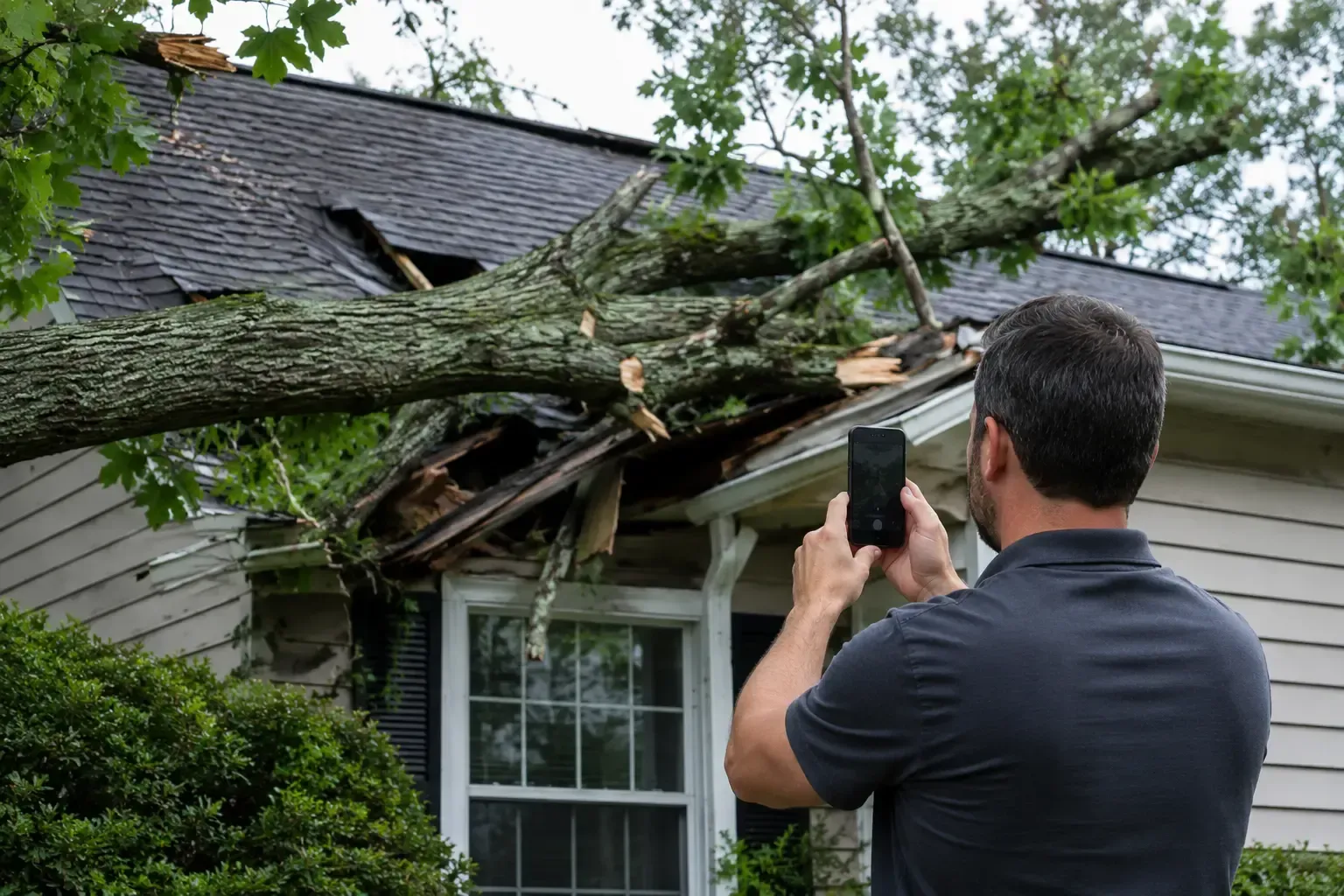
Indiana experiences significant weather events throughout the year, from severe spring and summer storms to winter ice storms and occasional tornado activity. These weather patterns create common property damage scenarios that require specialized insurance claim documentation.


Insurance companies across Indiana use detailed claim reports to determine:

  • The full extent of covered property damage
  • Whether damage aligns with policy coverage provisions
  • Appropriate settlement amounts based on documented losses
  • Whether additional investigation becomes necessary


Without professional insurance claim documentation, property owners risk submitting incomplete reports that fail to capture all damage. This oversight can result in settlements that fall short of actual repair costs, leaving you responsible for significant portions of restoration.


Indiana property damage claims often involve multiple damage types occurring simultaneously. A single storm event might damage roofing, siding, windows, landscaping, and interior components. Detailed insurance claim reporting ensures each damage category receives proper documentation and evaluation.

When to Request Detailed Claim Reporting in Indiana


Property owners should consider professional detailed reporting when:

  • Significant property damage occurs requiring extensive restoration
  • Multiple damage categories need organization and presentation
  • Settlement clarity becomes necessary before accepting insurance offers
  • Documentation appears incomplete or disorganized
  • Additional evidence emerges supporting increased settlement amounts
  • Insurance companies dispute damage extent or repair necessity
  • Time constraints limit your ability to manage detailed documentation


Early professional reporting improves overall claim efficiency and reduces confusion throughout the evaluation and settlement process.

A hand uses a pen to fill out a document titled

Indiana-Specific Challenges in Insurance Claim Documentation

Different regions present unique claim challenges. Indiana's specific geographic, climate, and construction characteristics create documentation requirements that generic claim processes might miss.

Midwest Weather Pattern Documentation

Indiana storms produce distinctive damage patterns. Spring severe weather systems create straight-line wind damage affecting large areas, while summer thunderstorms produce concentrated hail impact. Winter conditions create ice dam damage along roof lines and water intrusion through exterior walls.

Insurance claim documentation must reflect these regional weather characteristics. Your detailed reporting should connect documented damage to the specific weather event that caused it, linking storm patterns to observable damage conditions.

Regional Construction Standards

Indiana properties reflect regional construction practices. Older homes in established neighborhoods often feature wood-frame construction with asphalt shingle roofing. Newer subdivisions may include architectural shingles and advanced exterior materials. Rural properties sometimes incorporate agricultural structures with specialized roofing systems.

Professional insurance claim reporting recognizes these construction variations and documents damage accordingly, using repair cost estimates appropriate for your specific property type and condition.

Insurance Market Characteristics in Indiana

Insurance companies operating throughout Indiana develop region-specific claim practices. Some insurers maintain local claims offices while others route claims through regional centers. Understanding how major Indiana insurers approach claim review helps optimize your documentation strategy.


The Foundation: Professional Property Damage Assessment


Insurance claim documentation begins with comprehensive property assessment. This initial inspection identifies all damage requiring documentation and repair cost estimation.

A damaged white wall with water stains and a large section of plaster broken away, revealing the wooden slats behind it.

Initial Site Visit and Damage Identification


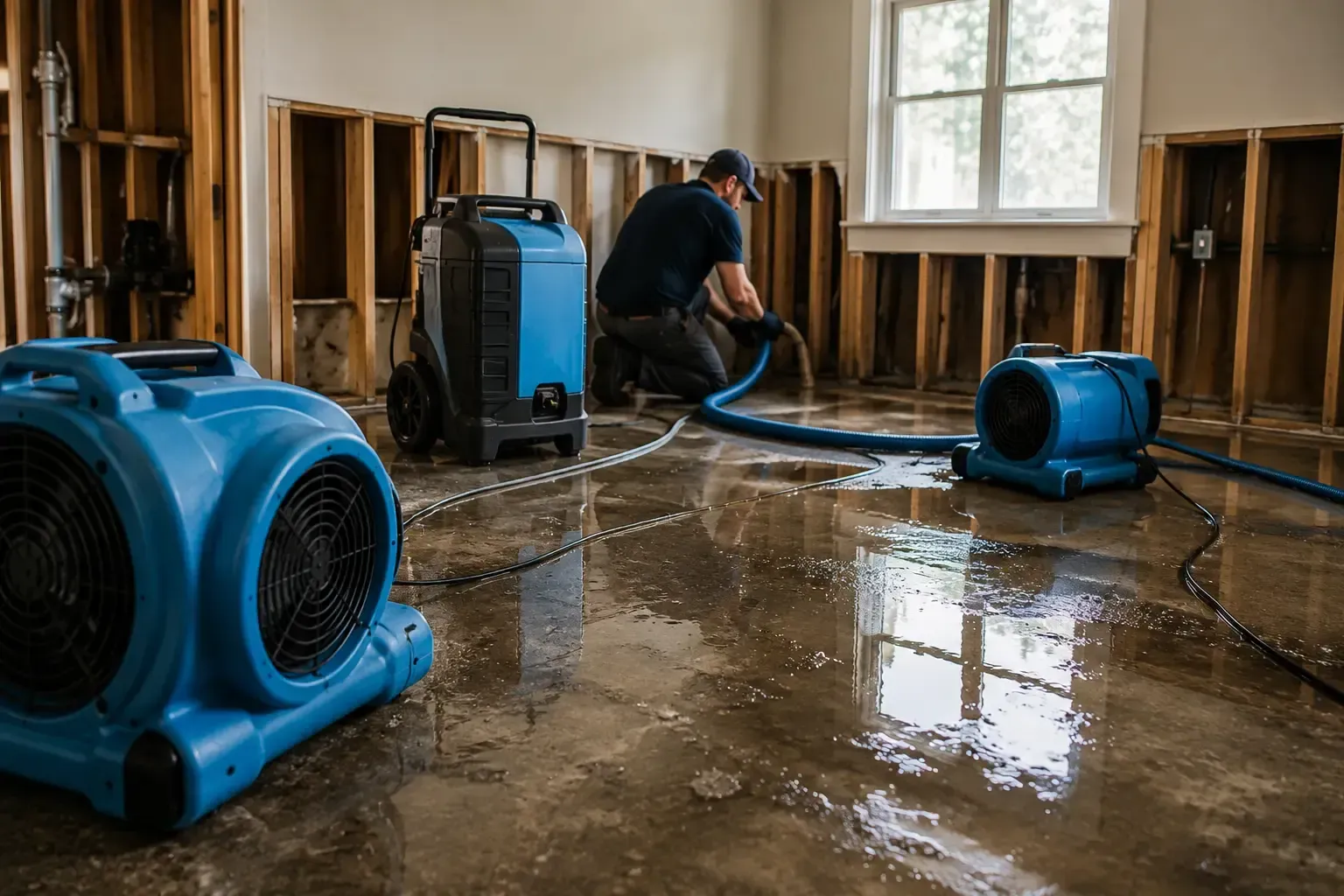
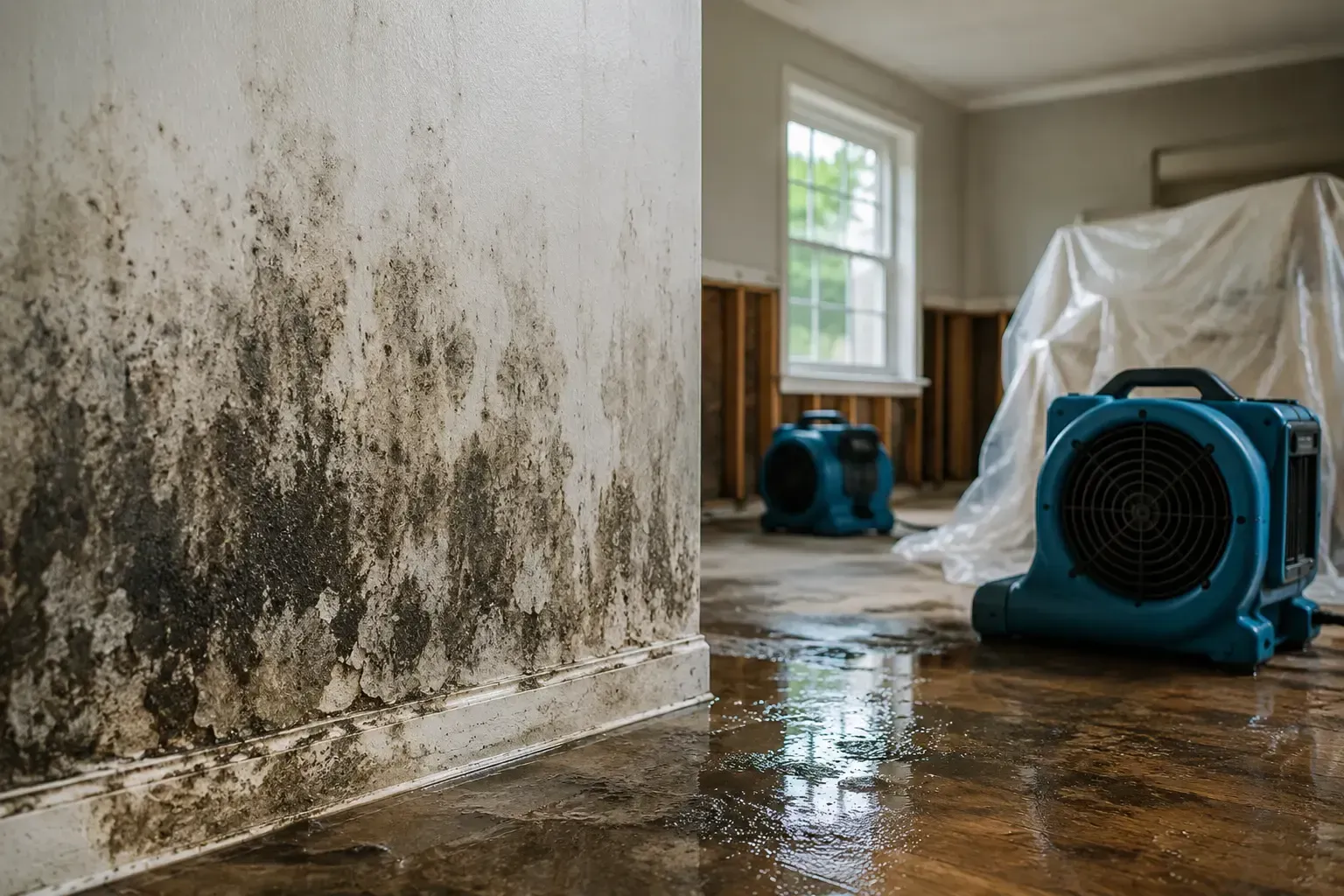
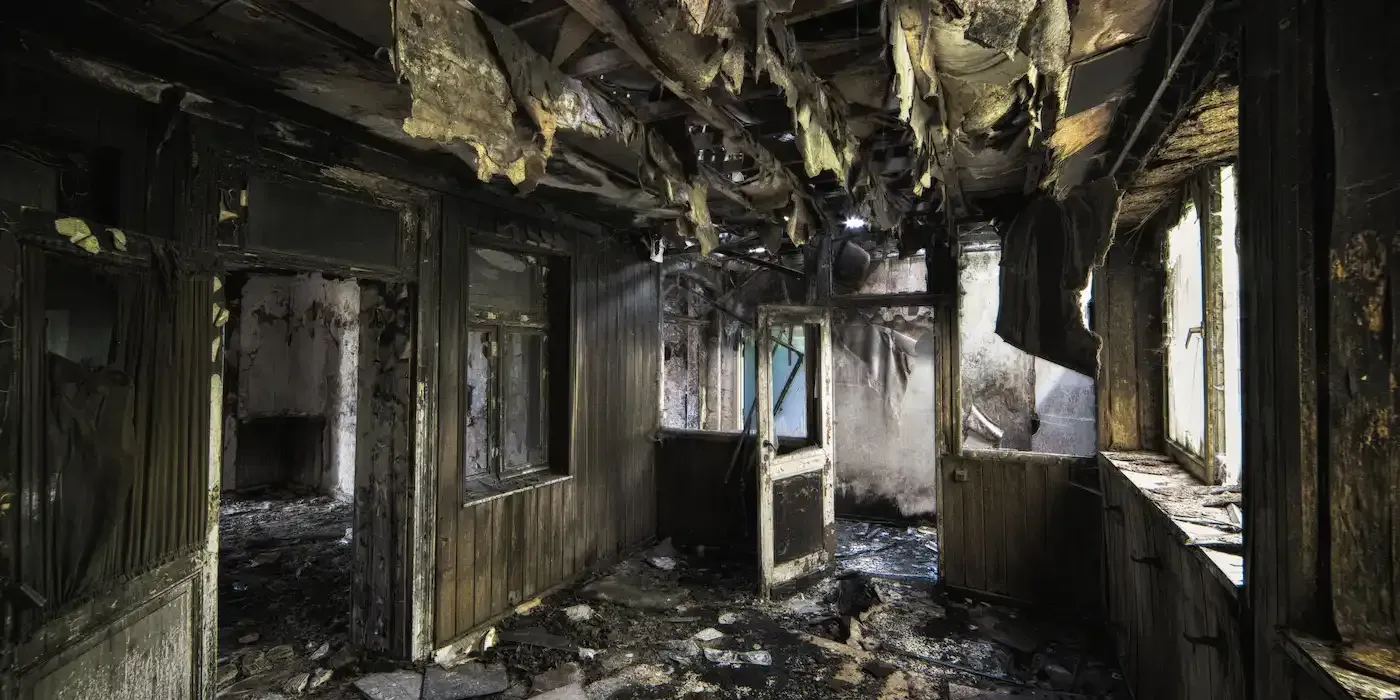
Professional assessment teams conduct thorough walkthroughs examining both obvious and hidden damage. For water damage claims, this includes moisture detection and assessment of affected materials. For fire damage, inspection covers structural damage, smoke and soot contamination, and secondary water damage from suppression efforts.


Indiana's climate creates specific damage considerations. Winter water damage claims must address whether damage stems from storm water intrusion or from ice dam formation and melt-back water. Summer damage documentation must differentiate between hail impact and wind-driven rain penetration.


The assessment team documents findings using:

  • Detailed written descriptions of each damage area
  • Measurements and dimensions of affected components
  • Material identification for accurate repair cost estimation
  • Photographic documentation from multiple angles
  • Video documentation for complex damage scenarios

Photographic Evidence and Visual Documentation


Insurance companies rely heavily on photographic evidence when evaluating claims. High-quality images serve as permanent documentation of damage conditions on the assessment date, supporting your claim throughout the evaluation process.


Professional claim documentation photography includes:

  • Wide-angle establishing shots showing overall damage patterns
  • Close-up images of specific damage areas
  • Before-and-after comparisons when prior property photos exist
  • Context photos connecting damage to specific property locations
  • Detail shots showing damage severity and extent


Indiana property documentation should capture seasonal context. Summer claims benefit from photos showing landscaping and vegetation damage. Winter claims should document ice dam formation, snow accumulation patterns, and resulting damage. Spring storm documentation should show wind damage patterns consistent with regional storm characteristics.

A person's hand holds a paper Vision Insurance Form in front of a laptop computer.

Protecting Your Interests Through Documentation

Thorough detailed claim reporting protects your interests by:

  • Creating permanent records of damage conditions on assessment date
  • Documenting all identified damage preventing subsequent denial of overlooked areas
  • Providing professional cost analysis supporting fair settlement amounts
  • Creating organized records simplifying claim communication
  • Building foundations for dispute resolution if needed

Damage Classification and Itemization

Insurance claim reporting organizes damage by category, creating detailed inventories of affected components and associated repair costs.

A close-up of a damaged exterior wall showing deep vertical cracks and crumbling concrete or stucco.

Structural Damage Documentation


Structural damage claims require careful documentation distinguishing between:

  • Primary structural elements (foundation, framing, support systems)
  • Secondary structural components (roof decking, wall sheathing, floor systems)
  • Architectural elements (siding, trim, exterior finishes)
  • Building systems (electrical, plumbing, HVAC, roofing)


Indiana properties often feature basement construction with potential water damage exposure. Detailed reporting for basement claims must document foundation conditions, wall penetration points, and water removal requirements.

System and Equipment Damage


Modern properties include multiple systems requiring specialized repair or replacement assessment:

  • HVAC system damage from water intrusion or smoke
  • Electrical system damage from fire or water exposure
  • Plumbing system assessment following water damage
  • Water heater and appliance replacement needs
  • Exterior equipment damage (HVAC units, generators, pool equipment)
A heavy machinery trailer with visible tires and lights is tilted and partially sunk into a sandy construction site.

The Role of Adjusters and Insurance Companies in Detailed Reporting

Insurance companies review submitted insurance claim documentation to determine settlement amounts. If the property damage claim report is incomplete or unclear, certain damages may not be evaluated properly.

Professional claim reporting ensures that documentation aligns with insurer review standards and supports accurate claim evaluation.

For broader claim representation, property owners may review

 Public Adjusting Services.

Detailed Reporting and Claims Disputes

Disputes often arise when documentation is incomplete or unclear. A structured insurance damage report can help clarify differences between damage assessment and insurer evaluation.

Common Disputes Over Detailed Reporting

A black and white line-art icon of a house on fire.

Underreporting of Damage

If the initial report fails to capture hidden or secondary damage, the insurer may deny coverage for certain repairs or reduce the settlement.

A black-and-white line drawing of a house on fire.

Disagreements Over Repair Costs

The insurer may offer a lower settlement if the report does not include accurate pricing or repair estimates.

A simple black and white line drawing of a house engulfed in flames.

Inadequate Documentation

If mitigation efforts are not clearly documented, insurers may argue that the property owner did not take the necessary steps to prevent further damage.

Addressing Common Documentation Challenges


Indiana claim documentation frequently encounters specific challenges requiring professional expertise.


Water Damage and Moisture Assessment

Indiana water damage claims often involve:

  • Basement water intrusion from foundation cracks or wall seepage
  • Crawlspace moisture accumulation
  • Attic water leakage from roof penetrations
  • Basement contents damage from sump pump failure

Detailed reporting includes moisture mapping, affected material identification, and documentation of hidden moisture using detection equipment. This prevents disputes about invisible water damage development.


Fire and Smoke Damage Documentation

Fire damage claims require documenting:

  • Thermal damage extent and severity
  • Smoke and soot contamination throughout the structure
  • Odor permeation in materials requiring remediation
  • Fire suppression water damage
  • Inventory of damaged contents

Indiana fire claim documentation must address both primary damage from flames and secondary damage from smoke and suppression efforts.


Storm Damage Pattern Documentation

Indiana storm claims benefit from documentation connecting specific damage to weather event characteristics.


Professional reporting includes:

  • Weather service storm reports and radar images
  • Damage pattern assessment matching storm characteristics
  • Comparison between damaged and undamaged property areas
  • Documentation preventing insurance companies from dismissing damage as pre-existing


Document Organization and Insurance Company Submission

Detailed insurance claim reporting culminates in comprehensive documentation organized for insurer submission.


Professional organization includes:

  • Table of contents and document indexing
  • Chronological organization of assessment activities
  • Organized damage categories with supporting documentation
  • Cost estimate summaries and detailed breakdowns
  • Photographic evidence index and organization
  • Supplemental documentation and supporting evidence


This professional presentation reduces insurance company review time and improves clarity throughout the evaluation process.

Indiana-Based Cost Estimates


Repair and replacement costs vary by region, material availability, and labor rates. Indiana contractors provide cost estimates reflecting actual market conditions for your specific location and property type.


Detailed cost estimation includes:

  • Material selections and pricing options
  • Labor hour requirements and hourly rates
  • Specialized contractor costs (roofing, electrical, plumbing)
  • Permit and inspection fees
  • Temporary utilities and accommodations during repairs


Professional reporting presents costs competitively while maintaining accuracy. Where standard-grade and upgraded materials exist, detailed reporting often includes both options.

A person writing on a document with a pen next to a calculator, a smartphone, and a small potted plant on a desk.
A stack of insurance claim forms with the word

Contingency Documentation


Experienced claim reporting includes contingency allowances for conditions discovered during repair. Hidden damage often emerges as restoration begins, requiring budget adjustments.


Detailed Indiana claim documentation acknowledges these realities by including reasonable contingency percentages (typically 10-15%) appropriate for your specific damage type.

Frequently Asked Questions

  • How quickly should I request detailed insurance claim reporting after property damage?

    Professional documentation should begin as soon as damage stabilizes. Early documentation captures damage conditions clearly and prevents further deterioration from affecting documentation accuracy.


  • Can detailed reporting help if I've already filed a claim?

    Yes. Many property owners request detailed reporting after initial filing, especially when settlements appear insufficient or claims face delays.

  • What's included in comprehensive Indiana insurance claim documentation?

    Professional reporting includes property assessment, damage identification, photographic documentation, itemized repair cost estimates, and organized submission materials aligned with insurance company requirements.

  • How does detailed reporting differ from insurance company adjusters' reports?

    Insurance company adjusters represent insurer interests and focus on minimizing payouts. Professional detailed reporting represents property owner interests, providing comprehensive documentation of all damage and fair cost estimation.

  • Are detailed reporting services confidential?

    Yes. All documentation and assessment information remains confidential between you and USPA Claims, protected as part of your claim support relationship.