
Emergency Mitigation Services in Indiana: What Happens After Property Damage
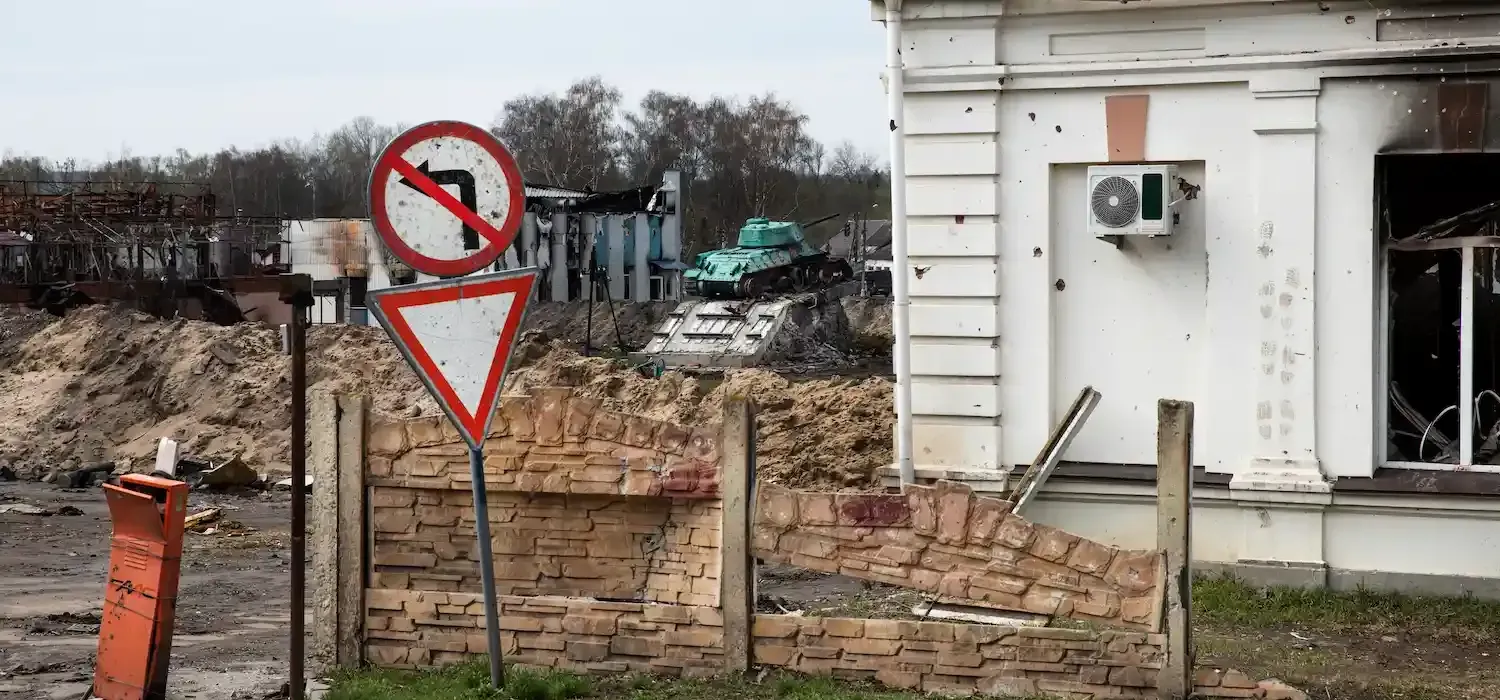
The danger may be over, but the damage can keep growing if nothing is done. Water can move into walls, smoke can spread, and storm damage may leave parts of a property open to more harm. That is why emergency mitigation services Indiana property owners need can be an important first step.
At US Public Adjusters, we understand how stressful the hours after property damage can be. This guide walks you through the first steps, how mitigation helps control damage, and what happens before full restoration and repairs begin.
First 60 Minutes: What Matters Most
- Make sure everyone is safe.
- Stop the source of damage only if it is safe.
- Stay away from electrical, structural, or contamination risks.
- Photograph visible damage from a safe location.
- Contact the right emergency or mitigation professionals.
What Emergency Mitigation Means
Emergency mitigation refers to taking quick action to mitigate the damage being done. This is the first stage of reaction that follows the occurrence of property damage.
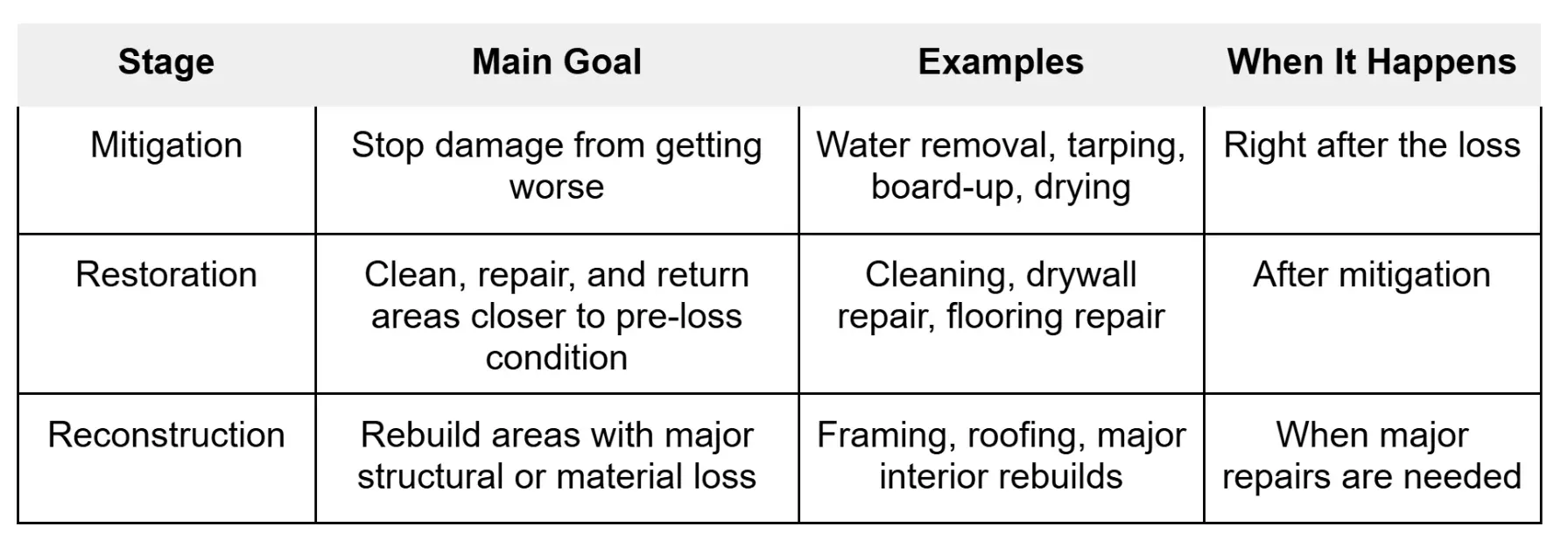
Some of the common emergency mitigation measures that may be taken include water removal, drying, roof cover, board-up operations, moisture mitigation, debris removal, and structural stabilization. Mitigation is different from rebuilding. It normally precedes restoration or rebuilding.
Why Fast Property Damage Response Matters
A quick property damage response can help limit how far the damage spreads. Delays may allow water to move into drywall, flooring, insulation, or cabinets. Wet wood may swell. Smoke and soot may spread. A small roof leak may become a larger interior issue. Mold risk may also rise when moisture stays in the building. The faster the response, the more damage may be controlled before repairs begin.
Step-by-Step Mitigation Process
Step 1: Emergency Safety Check
The initial issue is determining if entry into the property is safe. Specialists will check for electricity issues, building movement, standing water, fire damage, falling objects, polluted water, and any ceiling problems. In cases where there is fire, gas smell, electrical issues, or risk of collapse, call for emergency services first.
Step 2: Stop or Control the Source
If it is safe, then the source causing damage can be shut down. For instance, you can close down water supply, cover up a damaged roof, board up broken entries, etc. This is a temporary measure whose objective is to limit further damage.
Step 3: Inspect the Damage
The professionals may examine walls, floors, ceilings, roofs, attics, basements, contents, and areas containing hidden moisture. Moisture meter or thermal equipment can be employed for this purpose. The moisture meter is an instrument designed to detect moisture-containing materials even if there are no visible signs of it.
Step 4: Document the Loss
Photos, videos, measurements, and other notes make up good documentation to have an accurate record of the loss. This can include such things as areas of damage, water levels, saturated items, roof damage, falling debris, and fire or smoke damage.
Step 5: Remove Immediate Hazards
Loose debris, standing water, unsafe wet materials, contaminated items, and other immediate hazards may need to be removed. This should be done by trained professionals when the conditions are unsafe.
Step 6: Begin Drying or Stabilization
This may include such things as water extraction, air mover service, dehumidification, shoring up, roof tarps, board up services, or containment. Dehumidification is defined as the reduction of excess moisture in the air. Containment is the isolation of an area for dust, moisture, or contaminant control.
Step 7: Monitor the Property
Moisture levels and drying progress may need to be checked over time. The goal is to make sure the property is moving toward a stable condition. There is no single drying timeline for every loss.
Step 8: Prepare for Restoration
Once the damage is controlled, the next stage may include repairs, cleaning, material replacement, and reconstruction. Mitigation helps set up that next phase.
Water Damage Mitigation Indiana
Property owners frequently need water damage mitigation services in Indiana following a leaky pipe, broken appliance, roof leak, storm water intrusion, plumbing failure, or sewage backup. The process of water mitigation typically begins with the attempt to halt the source of the water where possible, followed by removing water, detecting hidden moisture, drying wet areas, removing non-salvageable materials, etc.
Water Mitigation Indiana
Water mitigation Indiana losses are not all the same. Clean water from a pipe may be handled differently than contaminated water from a sewer backup. Contaminated water may require more safety steps and more material removal. The goal is to control the water, protect the building, and reduce the chance of further damage.
Quick Water Damage Check
Visible water is only part of the problem. Water may also move into drywall, flooring, insulation, cabinets, and wall cavities. What looks like a small wet spot can hide a larger issue inside the structure. Drying what you can see is not always enough.
Storm Damage Mitigation Indiana
Storm damage mitigation Indiana may be needed after high winds, hail, fallen trees, heavy rain, tornadoes, or roof damage. Typical mitigation steps may include temporary roof covering, board-up work, water control, debris removal when safe, structural stabilization, and interior drying. Storm damage mitigation often focuses on stopping rain entry and protecting the structure until permanent repairs can be planned.
Fire Damage Mitigation Indiana
Fire damage mitigation Indiana typically occurs after the firefighters have gone home and it is safe to access the property. Some actions that will be involved could be blocking any open holes, pumping out the firefighting water on-site, shielding any exposed surfaces, recording smoke and soot damage, clearing hazardous material from the site, and beginning odor and contamination control measures when necessary. Fire damage goes beyond what was burnt down.
Mold Remediation Indiana
The need for Mold Remediation in Indiana arises when there are issues with moisture which are not addressed and mold grows as a result of that. The process of mold remediation will usually start from identifying the moisture source, control of the area that is affected, removal of the damaged materials, cleaning, drying and preventing moisture.
Mitigation Reality Check: Stopping Damage Is Not the Same as Repairing It
Mitigation does not always return the property to its original condition. Removing water and drying a room may stop more damage, but drywall, flooring, cabinets, or paint may still need repair. Covering a storm-damaged roof may stop rain, but the roof may still need permanent work. Mitigation controls the problem first. Restoration and repair come next.
Mitigation vs Restoration vs Reconstruction
Here is the table to show a little difference between mitigation, restoration, and reconstruction and what their main goal is..
Disaster Mitigation Services
Some losses involve more than one problem. Disaster mitigation services may be needed when a storm damages the roof, rain gets inside, insulation gets soaked, and drywall is affected. A fire may also create smoke, soot, water, and structural damage at the same time. That is why a complete inspection matters.
What Should Homeowners Document?
Photograph and record pictures of any damaged rooms, damage to the exterior, flooding in your home, roof damage as seen from the ground, damage done to personal property, repair receipts for emergency repairs, reports from contractors, and any insurance claim data. Make copies of all documentation. If possible, take “before” pictures as well.
Does Insurance Cover Emergency Mitigation?
While some property insurance policies might cover reasonable actions taken in an emergency in connection with the covered loss, there is variation in coverage based on factors such as cause of the damage, terms of the insurance policy, deductible, exclusions, documentation, and the insurance company’s evaluation of the situation.
Emergency Mitigation and the Insurance Claim Process
The general flow is: Damage Occurs → Emergency Response → Documentation → Mitigation → Insurance Inspection or Review → Restoration Estimate → Repairs
The order may vary based on safety and urgency. Do not delay necessary emergency steps just to wait for an inspection when further damage is likely.
Keep These Records During the Claim
Keep the claim number, insurance contacts, photos, videos, emergency invoices, mitigation reports, moisture records when provided, repair estimates, receipts, emails, and letters. Put everything in one folder so the claim is easier to follow.
What Happens Next?
- Confirm the property is stable.
- Review what can be saved.
- Identify what must be replaced.
- Build the repair scope.
- Begin restoration or reconstruction.
How Long Do Emergency Mitigation Services Take?
There is no single timeline. The process depends on damage size, water amount, building materials, contamination, weather, access, structural issues, and equipment needs. Emergency stabilization may happen quickly, while drying and later repairs may take longer.
What Can Property Owners Do While Mitigation Is Happening?
Stay out of unsafe areas. Keep communication records. Save receipts. Ask what work is temporary. Ask what materials are being removed. Request copies of reports. Keep insurer contact information organized. Do not interfere with safety equipment or drying systems.
Common Mistakes After Property Damage
Accessing dangerous zones, delaying reporting any significant damage, cleaning or removing all items before making the necessary reports, disposal of damaged property that could have been saved, neglecting minor leakages, shutting down the drying machines without proper guidance, believing that mitigation and complete restoration are the same process, and no receipts.
Before You Hire a Mitigation Company
- Do they provide emergency response?
- Do they explain the work clearly?
- Are estimates and authorizations written?
- Do they document the damage?
- Do they have experience with the type of loss?
- Do they explain what is temporary versus permanent?
- Do they provide reports or photos? Do they explain payment responsibility clearly?
Read contracts before signing.
What Emergency Mitigation Services Mean for Indiana Property Owners
Emergency mitigation services Indiana property owners can rely on should follow a simple order: Safety, stop the damage, document, dry or stabilize, monitor, and then repair. Mitigation is not the final fix. It is the step that helps protect the property and make recovery easier to manage.
Conclusion
Emergency mitigation starts with safety and damage control. Water, storm, fire, and mold-related losses may need different steps, but the goal stays the same: prevent additional damage and prepare the property for recovery. Emergency mitigation services Indiana property owners choose should help create a clearer path toward restoration.
- Safety and damage control come before permanent repairs.
- Good documentation helps make the recovery and claim process clearer.
- Mitigation stops further damage; restoration and reconstruction come later.
Frequently Asked Questions
What are emergency mitigation services in Indiana?
They are fast steps taken after property damage to stop the loss from getting worse. They may include drying, tarping, board-up work, and debris removal.
How quickly should mitigation begin after property damage?
As soon as the property is safe enough for response. Fast action can help limit further damage and support documentation.
What is included in water damage mitigation?
Water removal, moisture detection, drying, and removal of unsalvageable materials may be included.The exact work depends on the source and severity of the water loss.
Does homeowners insurance cover emergency mitigation?
It may, but coverage depends on the policy and the cause of damage. Keep receipts and documentation for review by the insurer.
What happens after mitigation is complete?
The property moves into restoration or reconstruction planning. That is when permanent repairs may begin based on the damage scope.
Recent Posts