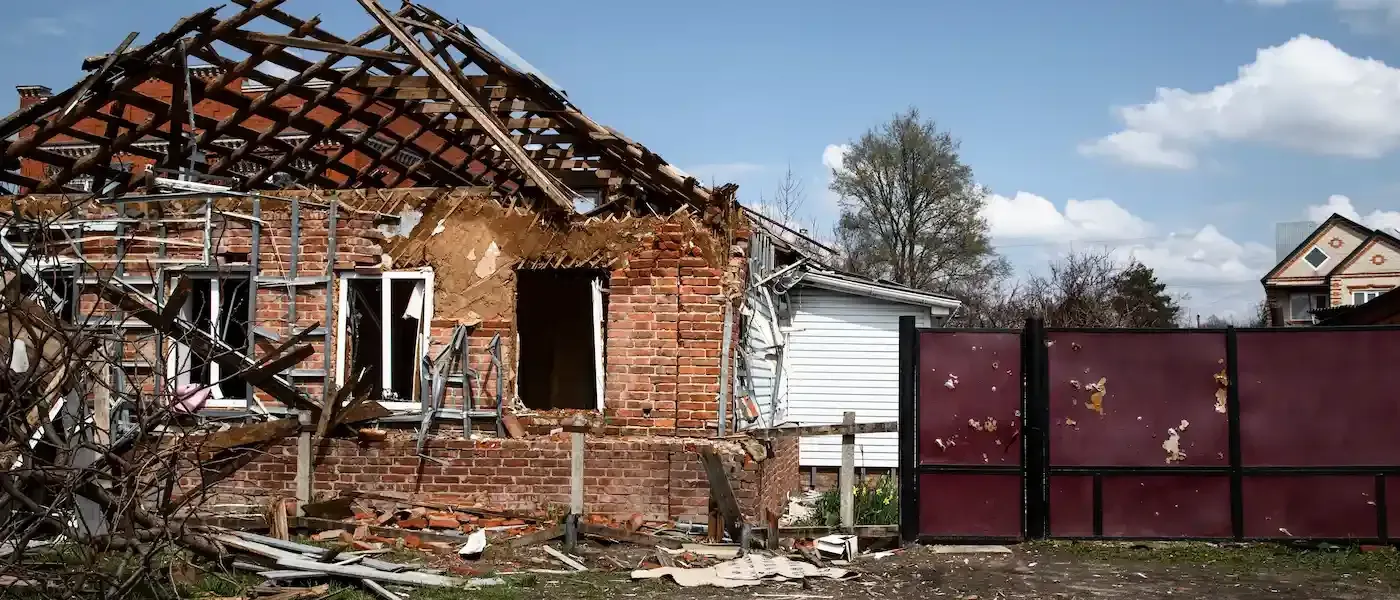
Fire Damage Restoration in Indiana Guide
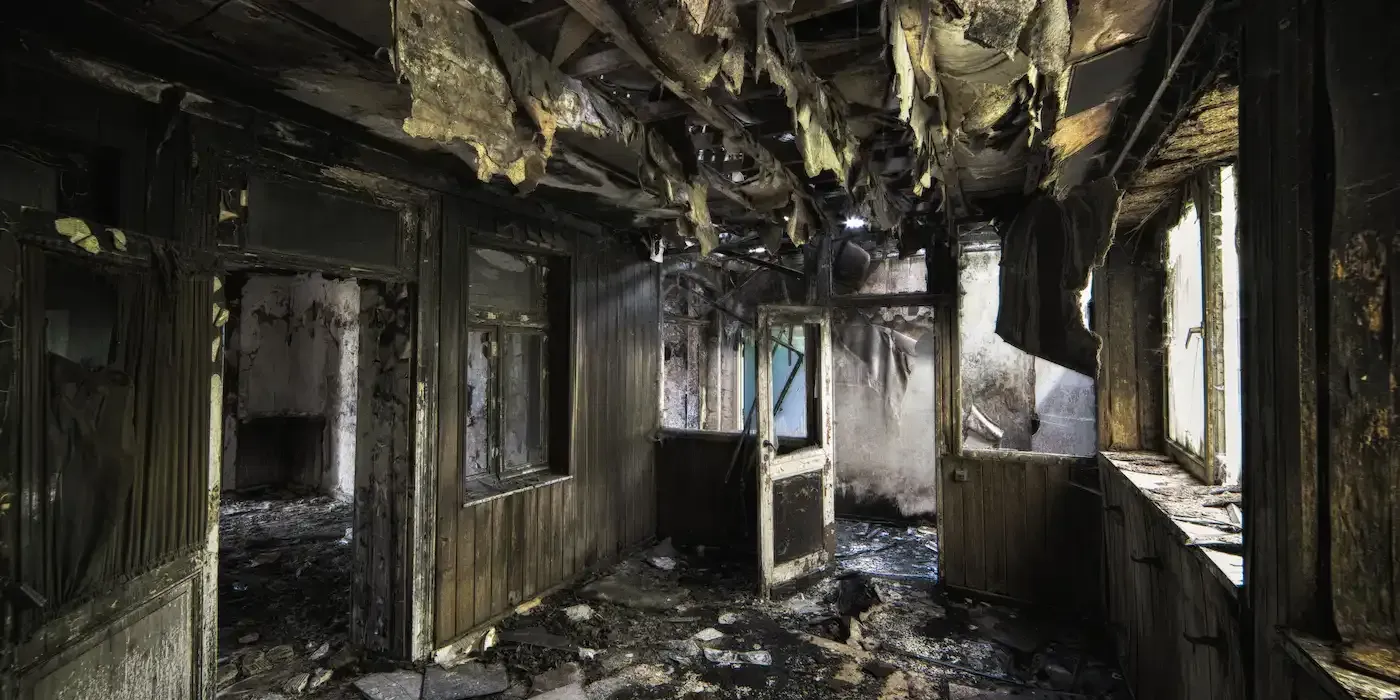
Fire is one of the most dangerous calamities that can ever happen to your house. Its recovery takes time and money yet there can be chances that you may not get satisfied with the damage restoration services.
In this guide, we are going to discuss a step by step recovery guide for your home to restore fire damage. Also, we will talk about how local experts like
US Public Adjusters help you claim and restore your fire damage claim. So, let's not waste much time and start talking about the guide.
What Is Fire Damage Restoration?
Fire damage restoration is the process of making a property safe and habitable again after a fire. It includes securing the site, cleaning smoke and soot, drying water damage, removing odors, repairing structure and contents, and organizing insurance documentation so homeowners can recover.
What To Do First After Fire Damage
If your house gets damaged due to fire, then follow these following steps first:
- Wait for clearance: Do not re-enter the building until fire officials say it’s safe. Hazards include hot spots, unstable structure, and electrical risks.
- Call emergency contacts: If anyone needs medical attention, call 911 immediately.
- Document from a safe distance: Take photos and video of visible exterior and accessible interior damage before any cleanup or temporary repairs.
- Notify your insurer: Report the loss as soon as possible to start your claim.
- Protect important records: Remove IDs, insurance papers, and prescriptions if safe to do so. Leave debris and damaged items where they are until they are documented unless an expert instructs otherwise.
Why Fire Cleanup Should Start Carefully
Fire cleanup is not just picking up burned things. Smoke and soot can stick to walls, ceilings, furniture, and other surfaces. Water used to put out the fire can also hide inside walls, floors, and ceilings. Burned areas may be weak, and damaged wires or sharp debris can be dangerous. That is why cleanup should start with a professional inspection, a safe cleanup plan, and proper photos or notes for your insurance claim.
Smoke Remediation: Why Smoke Damage Spreads
Smoke moves where air moves: through vents, wall cavities, ductwork, ceilings, fabrics, and porous surfaces. Soot (the fine carbon particles) binds to surfaces and can corrode metal or discolor walls. Odors can embed in insulation, drywall, and textiles. Effective smoke remediation uses specialized cleaning agents, HEPA filtration, thermal fogging, and rebuild steps that reach hidden spaces rather than surface scrubbing alone.
Structural Drying After Firefighting Water Damage
Water used to extinguish the blaze often causes as much long-term damage as flames. Wet drywall, subfloors, and insulation trap moisture and raise mold risk. Structural drying includes water extraction, dehumidification, moisture monitoring, and targeted removal of unsalvageable materials. Quick drying reduces secondary damage and keeps repair costs lower.
Step-by-Step Timeline for Fire Damage Recovery
- Day 1: Confirm safety and notify insurer. Document visible damage and secure temporary housing if needed.
- Day 1–2: Lock up or board-up broken doors/windows and arrange an inspection. Begin contents inventory if safe.
- Day 2–5: Hire mitigation pros to extract water, set up drying equipment, and begin soot stabilization.
- Week 1: Perform smoke remediation, odor control, and continued drying. Start contents cleaning assessments.
- Week 2+: Begin repairs, structural work, and rebuilding. Update insurer with progress and estimates.
- Longer term: If damage is extreme, discuss total loss determination and settlement options.
Fire Damage Restoration Process Explained
Here is the fire damage restoration
Initial inspection and safety review
Professionals assess structure stability, electrical hazards, and contamination.
Board-up and tarping
Secure the property against weather and trespass.
Water removal and structural drying
Extract standing water and run industrial dehumidifiers and fans.
Soot cleaning and smoke remediation
Clean surfaces with appropriate methods, use air scrubbers, and treat odors.
Contents inventory and pack-out
Catalog belongings, decide what’s salvageable, and clean or store items off-site.
Temporary repairs and stabilization
Remove unsalvageable materials and make temporary fixes to prevent further damage.
Reconstruction and repairs
Replace structural elements, restore finishes, and rebuild to code.
Final cleaning and move‑in
Thorough cleaning before returning furniture and occupants.
Claim documentation
Keep all receipts, before/after photos, and contractor estimates for your insurer.
What Happens to Damaged Belongings?
Professionals make a list of damaged belongings after a fire. This list shows what each item is, its condition, and whether it can be saved. Some items may be cleaned at the property, while others may need special cleaning for smoke smell and damage.
Items that cannot be saved should still be photographed and listed before they are thrown away. Do not throw away valuable items until your adjuster or claim expert tells you what to do. Keep receipts for replacement items and cleaning costs because they can help support your insurance claim.
When Fire Damage Becomes a Total Loss
A total loss means it’s not worth fixing the house because repairs cost too much or the building is not safe to fix. Experts look at repair costs, the home’s value, building rules, and your insurance policy. If the home might be a total loss, an adjuster and restoration team will check the damage, take notes, and explain options like settlement or demolition. The final outcome depends on your insurance limits and how much it costs to rebuild in your area.
Insurance Claim Challenges After Fire Damage
Common claim issues include:
- Underpaid estimates because the insurer’s scope missed hidden smoke or water damage.
- Delayed inspections leading to delayed mitigation.
- Low valuation of personal property or failure to account for contents cleaning and pack-out.
- Disputes over the cause of fire or covered perils.
- Code upgrade costs (bringing systems up to current code) that are omitted from estimates.
- Document everything, get multiple expert estimates when possible, and keep a paper trail of communications.
How a Public Adjuster Can Help With Fire Damage Claims
A public adjuster in Indiana works for you. They review your policy, collect proof, inspect the damage with restoration professionals, and prepare a detailed repair estimate. They also talk with your insurance company for you. Public adjusters can be helpful when a claim is denied, delayed, underpaid, or when the fire damage is large and complicated.
Why you should avoid DIY cleanup
Do not attempt hazardous structural or electrical repairs yourself. Soot and smoke residues can be toxic if improperly handled. Professional crews use personal protective equipment, containment, and specialized cleaners to avoid spreading contamination and to protect your family’s health.
How US Public Adjusters Claims Helps Indiana Property Owners
US Public Adjusters Claims help homeowners in Indiana after a fire. We coordinate cleanup, document damage carefully, and provide public adjusting services to support your insurance claim. Our mitigation teams work with licensed contractors to stabilize homes and perform safe, controlled cleanup. For insurance help, our public adjusters create detailed estimates and advocate for you with your insurer. Learn more about our mitigation services in Indiana for an overview.
You can check our reviews and services at our
GMB listing. So check out now and make a decision right away.
Conclusion
Recovering after a fire can feel hard and stressful. Start by staying safe, taking photos, and keeping records of all damage. Hire trained restoration professionals to handle smoke cleanup, drying, and repairs. Quick action can help stop more damage and may also support your insurance claim. If your claim is denied, underpaid, delayed, or your property may be a total loss, talk to restoration experts and a public adjuster for help.
Frequently Asked Questions
How soon should restoration start after a fire?
Start mitigation as soon as the property is safe and your insurer approves,ideally within 24–48 hours to limit secondary damage.
Can smoke be fully removed from my home?
Many smoke residues and odors can be removed with professional cleaning and odor treatments; some porous materials may need replacement.
Will my insurance cover cleaning and pack-out costs?
Coverage depends on your policy. Document costs and consult your adjuster or a public adjuster to confirm covered items.
Is it safe to stay in a home after a small kitchen fire?
Only re-enter after authorities declare the structure safe and utilities are inspected by professionals.
How long does structural drying take?
Drying time varies but often takes several days to a week with professional equipment and monitoring.
Recent Posts