Fire and Smoke Damage Mitigation: What Indiana Homeowners Need to Know
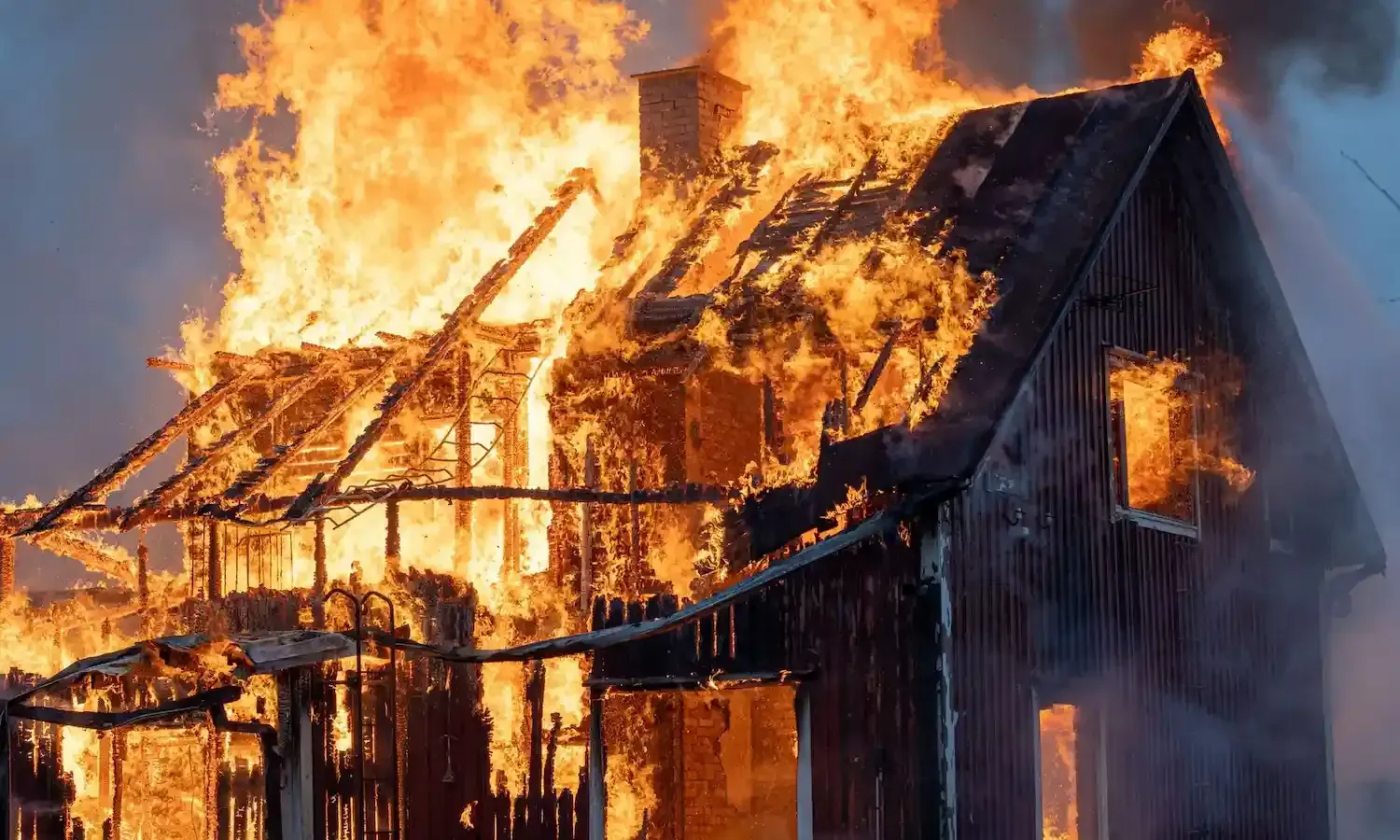
Understanding fire damage mitigation Indiana homeowners may need can make the first hours after a house fire safer and less confusing. Even if the flames are out, the home may still be wet, smoky, weakened, or open to the weather.
That is why the job is not finished when firefighters leave. Early mitigation may include safety checks, temporary protection, water removal, moisture control, smoke and soot assessment, contents documentation, and claim communication. In this guide
Quick Answer: What Is Fire Damage Mitigation?
Fire mitigation is the early work used to reduce further damage after a fire. It may include securing the property, removing standing water, starting drying, controlling unsafe debris, documenting affected areas, and preparing the home for restoration. It is not the same as full rebuilding, and it cannot save every material.
“Safety Comes Before Cleanup Wait for official permission before entering. Do not touch damaged utilities, unstable structures, soot-covered contents, or standing water near electrical hazards.”
The First Five Stages After an Indiana House Fire
1. Confirm safety and access
Check whether entry is allowed and whether utilities are off. Homeowners should stay out of restricted rooms. Professionals should verify structural safety and utility risks. Avoid assuming the home is safe just because it looks stable from outside.
2. Stop additional property damage
Temporary protection may include emergency board-up, roof covering, and water extraction. Homeowners can call for emergency help and protect documents. Professionals handle temporary repairs and moisture control. Do not start major demolition too early.
3. Document the loss
Take safe photos and videos before conditions change. Homeowners can record rooms, contents, and receipts. Professionals may help organize evidence and work logs. Avoid throwing items away before they are documented.
4. Remove water, soot, smoke, and damaged materials safely
Firefighting water, smoke residue, and soot can spread beyond the burned room. Homeowners should avoid heavy cleanup. Professionals may handle air movement, HEPA filtration, and controlled removal. Do not use ordinary vacuums on heavy soot.
5. Prepare for restoration and claim review
Mitigation ends when the property is stabilized and records are ready. Homeowners can keep communication organized. Professionals may provide scopes, drying logs, and photos. Do not begin permanent repairs before the claim and documentation are ready.
What to Do After a House Fire in Indiana
After a house fire in Indiana, steps may vary, but this order is often helpful:
- Confirm everyone is safe.
- Follow fire department instructions.
- Arrange temporary shelter if needed.
- Contact the insurance company or agent.
- Request fire incident information.
- Photograph visible exterior damage safely.
- Protect important documents.
- Avoid discarding damaged property too early.
- Keep receipts for necessary expenses.
- Contact a qualified mitigation provider when emergency work is needed.
Temporary Property Protection
Emergency Mitigation is intended to halt any further damage; however, it is not supposed to complete the task. This may involve boarding up, roof tarping, securing access points, deterring trespassers, water removal, and moisture testing. The policy may necessitate reasonable efforts to avoid further damage, although homeowners need to verify their insurance policy requirements prior to proceeding with major tasks.
Do
- Ask for a written scope.
- Photograph emergency work.
- Save receipts.
- Keep insurer communications.
- Ask what is temporary.
Don’t
- Sign unclear contracts.
- Approve broad demolition without explanation.
- Throw away contents before documentation.
- Assume every service is covered.
- Begin permanent reconstruction immediately.
Damage Documentation
Start documentation before cleanup changes the scene. Record exterior damage, room-by-room damage, burned areas, smoke staining, soot deposits, water damage, damaged ceilings, damaged flooring, personal property, appliance damage, roof openings, emergency board-up, and temporary repairs. Only document areas you can reach safely.
Fire Damage Claim Indiana: What to Prepare
A Fire Damage Claim Indiana can have your policy number, claim number, adjuster information, date and time of the loss, fire loss documentation, pictures, video recordings, list of the damaged items, receipts for temporary repairs, receipts for living expenses, contractor scoping reports, emails, and phone calls notes. You must know that not everything you have will be covered.
Claim Documentation Folder
- Incident Records: fire report, emergency contacts, and date-of-loss details.
- Property Evidence: photos, videos, room notes, and damaged-item lists.
- Expenses: lodging, meals, emergency repairs, transportation, and receipts.
- Insurance Communication: emails, letters, call notes, estimates, and claim decisions.
- Contractor Documents: contracts, drying logs, invoices, and completion records.
Fire, Water, Smoke, Soot, and Odor
The damages that fires cause include fire itself, heat, smoke, soot, water damage, and other damages caused by the emergency services.
Water used to fight fire may penetrate floors, walls, insulation, and even floors below. Soot and smoke may travel through ventilation and HVAC systems. Odor may persist if the source material is not cleaned up.
Smoke Damage Restoration Indiana
Smoke damage restoration Indiana work may involve affected-room review, residue classification, protection of unaffected areas, debris removal, surface cleaning, porous-material review, air filtration, HVAC inspection, odor-source removal, and final condition review. Not every item can be restored, and one cleaning method does not fit every residue.
Smoke Damage Path Walkthrough
- Smoke leaves the fire area.
- Fine residue travels into nearby rooms.
- Soot settles on cooler surfaces.
- Odors enter fabrics and porous materials.
- HVAC movement may spread residue.
- Moisture may combine with smoke deposits.
- Delayed cleaning may make some residues harder to remove.
Mitigation Versus Restoration
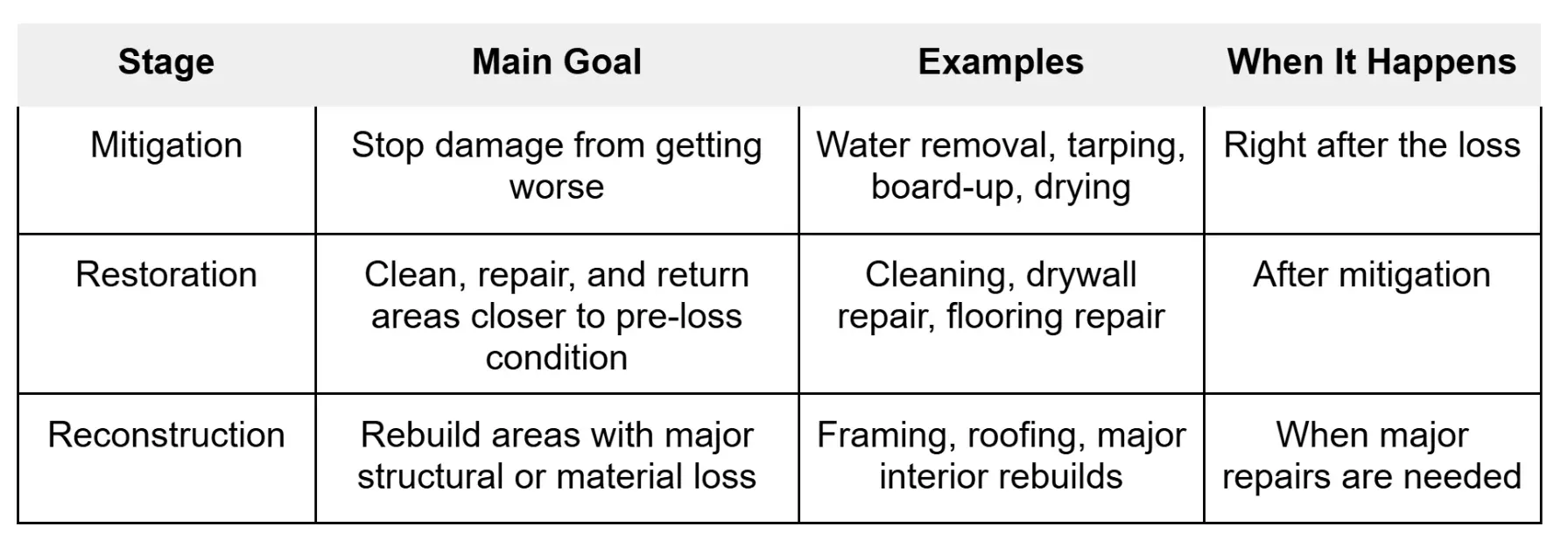
Mitigation is the work that stops more damage and stabilizes the home. Restoration is the work that cleans, repairs, replaces, and returns the property to usable condition. Reconstruction is the rebuilding stage. These steps may overlap, but homeowners should know which company is handling each one.
Fire Mitigation Services Checklist
Use fire mitigation services to think through the scope:
- Initial safety assessment
- Written work authorization
- Emergency protection
- Water extraction
- Moisture readings
- Drying plan
- Debris documentation
- Smoke and soot assessment
- Contents handling plan
- Photographs
- Equipment logs
- Communication with the homeowner
- Final mitigation summary
- Restoration recommendations
The First 24 Hours
Immediately: confirm safety, follow emergency instructions, arrange shelter, and keep family members away from the property.
Within the first few hours: notify insurance, get the claim information, ask about emergency mitigation services Indiana, and record visible damage safely.
Before cleanup begins: photograph affected areas, discuss temporary work, request a written scope, and protect claim records.
Before major removal or repairs: confirm documentation is complete and ask why materials must be removed.
Unsafe DIY Cleanup Guidance
Do not clean heavy soot, unknown burned materials, damaged electrical areas, sewage-contaminated water, suspected asbestos, suspected lead, unstable ceilings, large wet insulation areas, chemical residues, or contaminated HVAC areas.
Children, older adults, and people with heart or lung conditions should stay out of ash and residue cleanup.
Salvage, Clean, or Discard Decision Guide
May Be Evaluated for Cleaning: hard, nonporous items that are structurally sound.
Needs Specialist Review: electronics, documents, artwork, textiles, upholstered items, and HVAC components.
May Need Disposal: food exposed to fire conditions, unsafe medicines, melted items, severely burned materials, and some porous contents.
Insurers and restoration professionals may need to review items before disposal.
Professional-Process Checklist
A clear process usually includes safety first, a written scope, photos, moisture readings, item documentation, separation of temporary and permanent work, explained pricing, homeowner approval, organized claim records, updates, and final records.
Conclusion
Fire and smoke mitigation in Indiana should focus on safety, stabilization, water removal, smoke and soot assessment, clear documentation, claim communication, and a careful move toward restoration. Fast action matters, but rushed decisions can create new problems. Keep written scopes, preserve evidence, save receipts, and ask questions before major removal or reconstruction begins.
Key Takeaways
- Do not enter or begin cleanup until the property has been declared safe.
- Document fire, smoke, soot, water, and personal-property damage before conditions change.
- Emergency mitigation should stabilize the home and preserve records before full restoration begins.
Frequently Asked Questions
What does fire damage mitigation include in Indiana?
It usually includes safety checks, board-up, temporary roof protection, water removal, drying, and damage documentation. The goal is to stop more loss before restoration begins.
How soon should smoke and water mitigation begin after a fire?
As soon as the property is safe to enter and emergency access is allowed. Quick action can help limit added damage from water, smoke, and exposure.
Should I clean soot before the insurance adjuster arrives?
It is usually better to document first and avoid major cleanup until the damage is recorded. Light, safe steps may be okay, but heavy soot should be handled carefully.
What should I document for a fire damage claim in Indiana?
Photograph rooms, contents, soot, smoke, water, roof openings, emergency repairs, and receipts. Keep claim notes, emails, and contractor records together.
What is the difference between mitigation and restoration?
Mitigation stops more damage and stabilizes the home. Restoration repairs and returns the property to normal use.
Recent Posts