Storm Damage Mitigation in Indiana: Protecting Your Property After Wind and Hail
What should you check first after wind or hail strikes your property? Storm damage mitigation Indiana guidance begins with keeping everyone safe and identifying damage without taking unnecessary risks.
Your roof may look intact while lifted shingles, damaged flashing, or small openings allow water inside. Gutters, siding, windows, and ceilings may also show important warning signs. Acting early can help limit further damage, support clear records, and make the recovery process easier to manage.
The First 15 Minutes: Protect People First
Look for any damages and evacuate children and pets out of the danger zone. Be careful and avoid stepping on broken glass, wet floors, broken electricity system, walls that could be collapsing, and caving ceilings.
In case of power cables lying around, smell of gas, or a dangerous building condition, evacuate the place and inform the authorities about it. Don’t attempt to remove or touch any damaged apparatus or huge branches.
The First Hour: Check the Property Safely
Inspect the roof from ground level or from inside the house if it is safe to do so. There will likely be some shingles missing, or roofing material on the ground, as well as possibly some dented gutters, damaged siding, broken windows, fallen tree branches, ceiling water stains, damaged doors, torn screens, cracked vents, and/or loose downspouts.
You should never get up on the roof.
Common Types of Storm Damage
Roof Damage
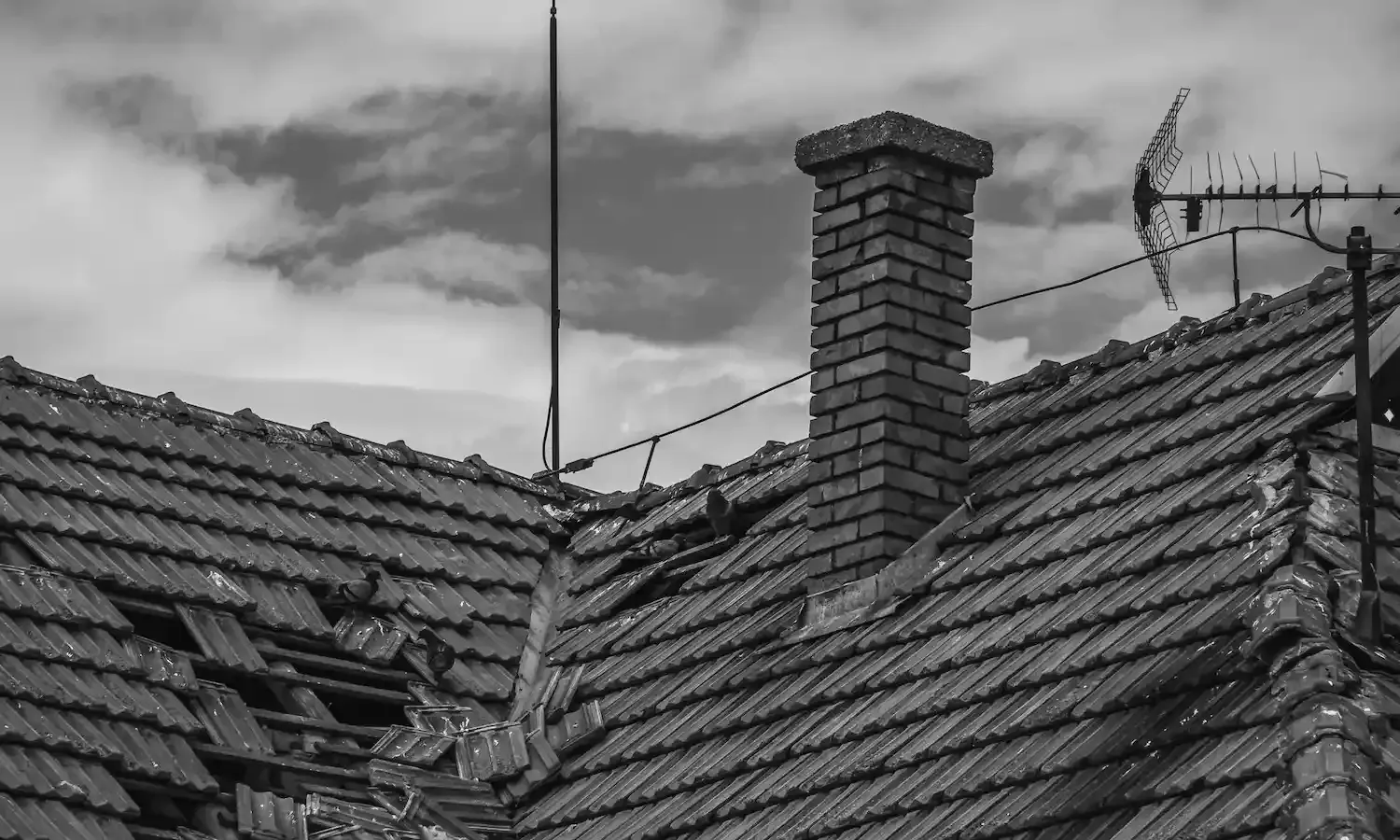
Wind can lift or remove shingles, damage flashing, crack vents, expose underlayment, or leave punctures from debris. Hail may also dent metal roof parts or break tile.
Siding and Exterior Damage
Look for cracks, dents, loose panels, open seams, and impact marks. These can let in water or weaken the exterior layer.
Window and Door Damage
Broken glass, damaged frames, failed seals, and doors that no longer close well can all allow wind-driven rain into the property.
Gutter and Drainage Damage
Dented gutters, loose sections, blocked drainage, and detached downspouts may cause overflow near the foundation or send water where it should not go.
Interior Water Damage
Ceiling stains, damp drywall, wet insulation, bubbling paint, flooring damage, and musty odors can all point to water intrusion after the storm.
Hail Damage Indiana Property Owners Should Look For
Hail damage Indiana homes may show dents on shingles, metal roofs, gutters, vents, skylights, HVAC fins, and window screens. Some damage is visible, while other damage is harder to see from the ground.
Cosmetic dents do not always mean the roof has failed. But they may still be worth inspection because hail can weaken materials without causing an immediate leak.
Wind Damage Claim Indiana Property Owners May Face
A wind damage claim Indiana property owners file may involve lifted shingles, broken seals, missing roof materials, damaged flashing, fallen tree limbs, broken windows, detached siding, wind-driven rain, or interior water damage. Some of this damage may be hidden even if the roof looks mostly fine.
Insurance language should stay general. Coverage often depends on the policy, the cause of loss, and the facts of the damage.
What to Do After Wind and Hail Damage
Once a wind or hail storm hits your property such as business or house, take measured steps such as:
- Keep everyone away from unsafe areas.
- Contact emergency services when needed.
- Photograph visible damage.
- Record the storm date and time.
- Protect safe belongings.
- Stop active water entry using qualified help.
- Arrange emergency tarping or board-up.
- Contact the insurance carrier when required.
- Save damaged materials and receipts.
- Schedule a professional inspection.
How to Prevent Further Property Damage
Some of the tasks that could help minimize additional damage include placing temporary coverings on the roof, putting up emergency boards. Along with that, moving possessions out of harm’s way, collecting drips safely, extracting water are also preventive steps
Moreover, covering broken windows, draining any remaining standing water that is safe to drain, turning off utilities where appropriate, stabilizing exterior materials, and protecting undamaged areas of the home.
These actions must not destroy any evidence.
Emergency Roof Tarping After Storm Damage
Temporary tarping can be considered if there is damage in the form of missing shingles, exposed roof decking, puncture, a tree branch hitting the roof, damaged skylights, leaking water, or torn roofing material.
It is best to hire a professional to install this as the roof might have some moisture, unstable conditions, or even be covered with debris.
Emergency Board-Up Services
A board-up may be required when there are broken windows, damaged doors, open walls, open garages, and other openings that provide access to the property and are not safe.
Boarding up will assist in keeping the rain water out and increase the level of security. Boarding up is similar to tarping. It is a temporary measure.
Water Removal and Moisture Control
Water intrusion due to wind or hail damage is possible through openings and materials that have been displaced or lifted. Removal of standing water, wet insulation inspection, drying of wet drywall, water below the floor, hidden moisture in walls, drying equipment, dehumidification, and moisture monitoring can be required.
Water removal is not equal to total drying of the structure. Moisture can still be present inside walls, floors, and cavities.
Storm Mitigation Services
Storm mitigation services may include property inspection, emergency tarping, board-up, water extraction, structural drying, debris removal, contents protection, moisture checks, damage documentation, and temporary stabilization.
The right mix of services depends on the type and size of the storm damage. One home may need only minor protection, while another may need several urgent steps.
Emergency Mitigation Services Indiana Connection
Some of the emergency mitigation services Indiana needed for properties. It can involve roof coverage, board up, water removal, structural drying, contents protection, documentation of the damage, and temporary stabilization.
This ensures that the property remains safe while further plans are being made. It is often the link between storm damage and repairs.
How to Document Storm Damage
Take wide shots of the property, detailed photos of damages, interior staining, roof materials on the ground, broken windows, damaged siding, dented gutters, broken branches, wet contents, emergency repairs, dates and times of the storm, weather forecasts, contractor reports, repair estimates, and receipts.
Photograph both before and after the emergency repairs if you can. However, do not let taking too much evidence delay emergency repairs.
Contacting the Insurance Company
The carrier could request that you provide them with the name of the insured, the property address, date of the loss, type of storm, description of the damages, photos, emergency repairs information, contractor information, and temporary housing needs.
Maintain a claim log that includes claim numbers, names of the adjusters, date of calls made and received, instructions provided, and any document sent or requested.
What Not to Throw Away Yet
Even damaged items might need to be inspected, inventoried, valuated, documented for any claim purposes, and decided whether to fix them or replace.
Always photograph and document any materials before disposal if possible. There are hazardous materials which need to be removed professionally. Unsafe materials must not be kept in occupied places.
Signs Professional Help Is Needed
Request assistance in case you detect any of the following problems: roof leaks, sagging ceilings, wet electrical fixtures, tree fall, major roof holes.
Additionally, broken windows, structural movement, extensive water damage, sewage/flood water, falling exterior components, unsafe approach areas, or damage to more than one building system also require attention.
In case the area is unsafe, vacate the premises. Do not attempt repair yourself.
Insurance Considerations
Coverage may depend on policy terms, cause of loss, deductibles, exclusions, reporting requirements, maintenance history, documentation, temporary mitigation steps, and whether the damage is cosmetic or functional.
That is why records matter. But no article can promise a claim result.
First 24-Hour Storm Mitigation Timeline
First 15 Minutes
- Protect people and pets.
- Avoid electrical and structural hazards.
- Contact emergency services if needed.
First Hour
- Check damage safely.
- Stop water entry when possible.
- Contact emergency professionals.
First 3 Hours
- Photograph the damage.
- Protect belongings.
- Arrange tarping, board-up, or extraction.
First 6–12 Hours
- Begin drying.
- Notify the insurer.
- Save receipts and contractor notes.
By 24 Hours
- Review the full damage scope.
- Monitor temporary protection.
- Plan inspections and permanent restoration.
Common Storm Mitigation Mistakes
Here are some of the common mitigation mistakes that homeowners should be aware of.
- Climbing onto a wet roof.
- Ignoring small ceiling stains.
- Throwing away damaged items too early.
- Waiting for another storm.
- Making permanent repairs before documentation.
- Using unqualified contractors.
- Ignoring wet insulation.
- Failing to protect broken windows.
- Assuming no missing shingles means no damage.
- Losing receipts.
- Treating temporary repairs as permanent.
- Ignoring nearby rooms and exterior areas.
Each mistake can make the situation harder to manage.
Seek Local Help
When water damage or storm damage feels overwhelming, reach out to US Public Adjusters for guidance on your next steps. Our team can help you understand the damage, organize your claim, and move forward with confidence.
For fast local support, check our Google Business Profile to find recent updates, contact details, and service information. It is a simple way to connect with a trusted local expert when you need help quickly.
Conclusion
Storm damage response starts with safety, not repair. Check the property from safe areas, protect exposed openings, document the loss, and get help for water, structural, or electrical risks.
Temporary protection may reduce more loss, but it is not the final fix. For Indiana property owners, a professional inspection can reveal hidden damage and help guide the next step after wind or hail affects the property.
Key Takeaways
- Safety and temporary protection come before permanent repairs.
- Wind and hail damage may affect both visible and hidden areas.
- Documentation and professional mitigation support an organized recovery.
Frequently Asked Questions
What should I do first after storm damage?
Protect people first and stay away from unsafe areas. Then look for immediate hazards and contact the right help if water, structural, or electrical risks are present.
How can I check for hail damage safely?
Check from the ground or from inside only if it is safe. Look for dents, broken pieces, fallen materials, and stains, but do not climb onto the roof.
When does a damaged roof need emergency tarping?
Tarping may be needed when shingles are missing, the deck is exposed, or water is entering the property. A qualified roofer should handle the work when the roof is wet or unstable.
Does insurance cover wind and hail damage?
Coverage depends on the policy and the facts of the loss. Keep photos, receipts, and reports, and review the policy or speak with a qualified insurance professional.
What is the difference between storm mitigation and restoration?
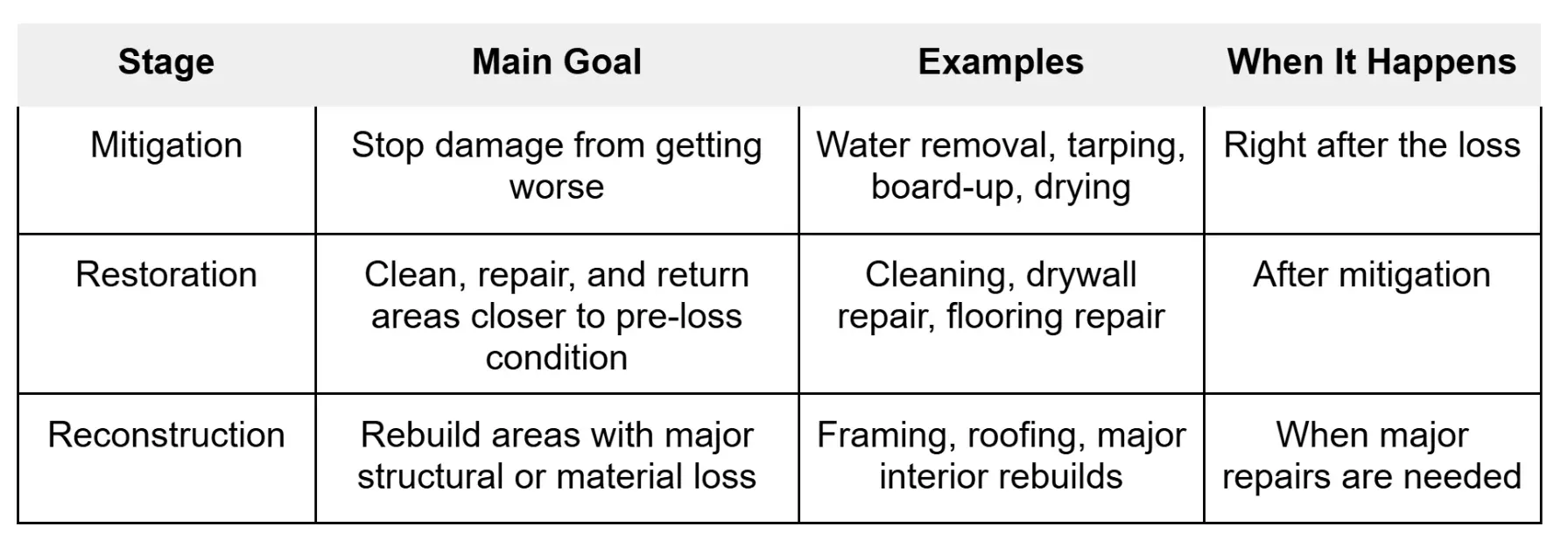
Mitigation is the urgent step that helps stabilize the property and limit more damage. Restoration comes later and focuses on repairs, replacement, and rebuilding.
Recent Posts